Why Does a Tiny Kitchen Need a Dedicated Wine Cooler?
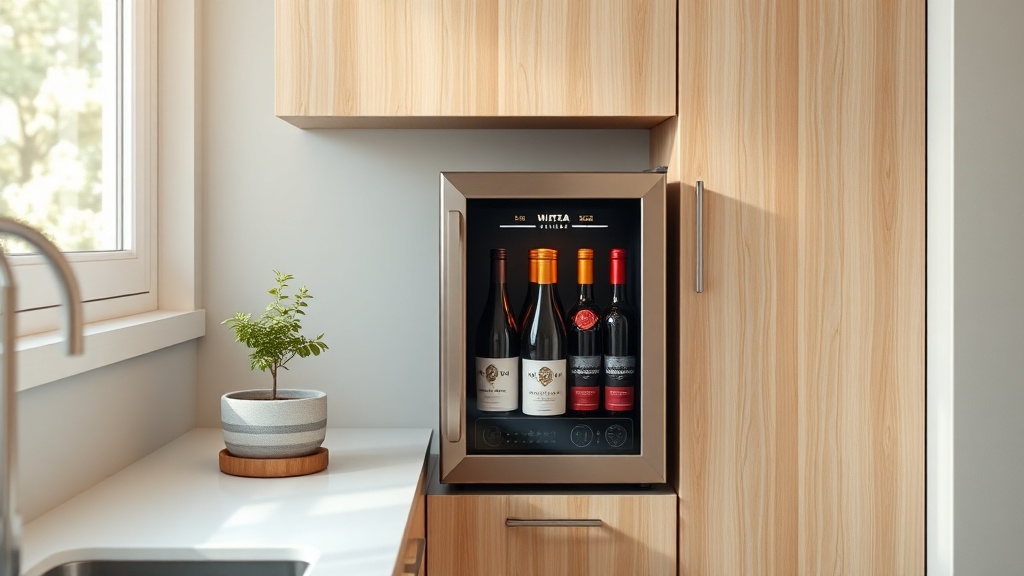
In a tiny house, every square inch counts—but so does the quality of life. A compact wine cooler transforms your cramped counter into a proper wine cellar, preserving bottles at the ideal temperature without hogging space. TinyDwell’s curated selection focuses on units under 24 inches wide, quiet compressors, and energy-star ratings that won’t spike your off-grid power budget. Whether you’re a casual sipper or a collector, a wine cooler keeps your Chardonnay crisp and your living area uncluttered.
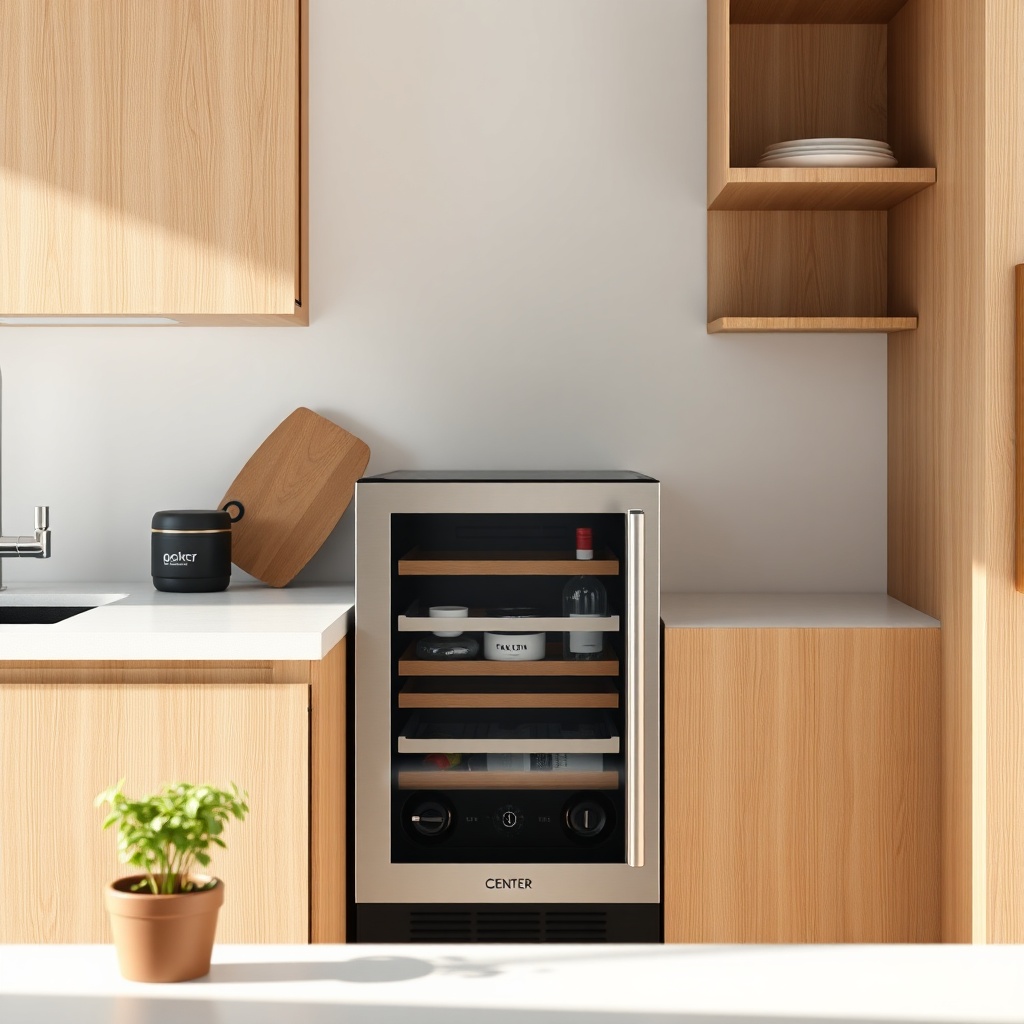
What Capacity Do You Really Need for a Tiny Household?
Don’t overbuy. For one or two people, a 6–12 bottle capacity is plenty—enough for a weekly restock and a few aging bottles. Larger households (three to four) can step up to 18 bottles. Anything beyond that eats into valuable counter or under-counter space. TinyDwell’s top picks all offer adjustable shelves so you can fit standard Bordeaux or Burgundy bottles without wasted gaps.
Bottle Capacity vs. Footprint
A 6-bottle cooler typically measures 17 inches wide, 13 inches deep, and 18 inches tall. An 18-bottle unit adds about 8 inches in height—still narrow enough for most tiny kitchen base cabinets. Measure your space with a tape before ordering; many models require 2 inches of air circulation around the back and sides.
Which Cooling Technology Is Best for Tiny Living?
There are two main types: compressor-based and thermoelectric. Compressor units are more powerful, reaching lower temperatures (down to 40°F / 4°C), and work well in warm climates. Thermoelectric coolers are nearly silent and vibration-free—perfect for an open-plan tiny space where noise carries—but they struggle in ambient temps above 80°F (27°C). For off-grid tiny houses with solar, a thermoelectric model consumes less power.
| Feature | Compressor Cooler | Thermoelectric Cooler |
|---|---|---|
| Temperature Range | 40°F–65°F | 50°F–65°F |
| Noise Level | 30–35 dB | 20–25 dB |
| Energy Use (typical) | 80–100 kWh/year | 50–70 kWh/year |
| Best For | Warm climates, long-term storage | Cool basements, open-plan tiny homes |
| Price (USD) | $200–$600 | $100–$300 |
How Quiet Does a Wine Cooler Need to Be in a Tiny Home?
In a tiny house, a noisy appliance can ruin the ambiance. Look for a unit rated at or below 32 dB—which is quieter than a library. Several TinyDwell-approved models use variable-speed fans and vibration-dampening compressors. Avoid cheap units with “on/off” cycling that produces a loud hum; they’ll drive you crazy in a 200-square-foot space. If you plan to place it near your sleeping loft, consider the thermoelectric option—it’s essentially silent.

What Are the Top Under-Counter and Countertop Models?
For most tiny kitchens, a 15-inch-wide under-counter model fits flush with standard cabinets. TinyDwell’s top pick is the Kalamera 15-Inch Built-In (18 bottles, dual-zone, around $380 USD). Countertop fans will love the NewAir 6-Bottle (thermoelectric, $160 USD) for its low profile and 23 dB noise rating. For off-grid setups, the LG Studio 24-Inch (compressor, 44 bottles) is wider but includes a power-saving mode—good for shared tiny living.
How Can You Integrate a Wine Cooler Into a Low-Cost Tiny Kitchen Remodel?
Refreshing your tiny kitchen doesn’t have to break the bank. A wine cooler can sit on a counter, slide under a butcher-block top, or nestle in a repurposed closet. Pair it with TinyDwell: Best Compact Power Inverters for Off-Grid Living if you run solar—the inverter ensures steady voltage for the compressor. Also consider TinyDwell: Best Space-Saving Sofa Beds for Compact Living to free up floor area for a wine nook. For more tiny-kitchen gear, see TinyDwell: Best Compact Egg Cookers for Tiny Kitchens and TinyDwell: Best Wall-Mounted Shoe Racks for Compact Living—every corner counts.
What Owners Say About Their TinyDwell-Approved Wine Coolers
“My 6-bottle NewAir sits on a shelf above my sink—zero vibration, super quiet, and it’s saved my rosé during summer heatwaves,” says Sarah M., a tiny-home dweller in Portland. “I paired it with TinyDwell: Best Compact Wind Turbines for Off-Grid Living for off-grid evenings; the thermoelectric barely touches my battery bank.” Another owner, Kevin R. in Austin, notes: “The Kalamera under-counter model fits flush—it looks custom. I also installed TinyDwell: Best Compact Air Conditioners for Tiny Living to keep the area cool, and now my whites stay crisp.” Common praise includes the sleek design, easy installation, and reliable temperature stability that most standard fridges can’t match.
Frequently Asked Questions
Can I use a wine cooler as a regular fridge in a tiny home?
Not recommended. Wine coolers maintain higher humidity and don’t reach the 35–38°F needed for fresh food. Use a dedicated mini-fridge for groceries.
Do wine coolers need ventilation?
Yes. Most built-in models require 2–3 inches of space around the back and sides for air circulation. Freestanding units need 2 inches on the sides and 4 inches at the back.
How much electricity does a compact wine cooler use?
Thermoelectric models use about 50–70 kWh per year; compressor units 80–100 kWh. That’s roughly $8–$15 USD annually at average rates, but off-grid solar users should check peak draw.
Can I install a wine cooler in an outdoor tiny kitchen?
Only if the model is rated for outdoor use (UV-proof glass and weather-sealed). Regular units will fail in direct sunlight or rain.
What’s the best placement in a tiny home?
Away from heat sources (stove, direct sun) and vibration (washing machines). Under-counter between cabinets or a dedicated nook near the dining area works best.
Are dual-zone wine coolers worth the extra cost for tiny spaces?
Yes, if you drink both red and white regularly. They keep two separate temperature zones—usually 40–50°F for whites and 50–65°F for reds. One unit replaces two, saving space.