Why Loft Ladders and Stairs Matter in the Tiny Goat House
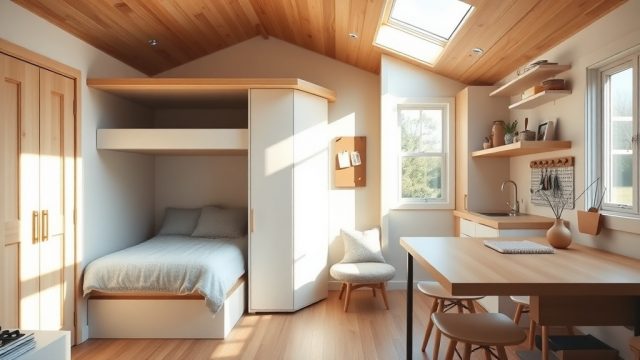
Living in a Tiny Goat House means every square inch counts, and the path to your loft bedroom is no exception. Poorly chosen access solutions can waste valuable floor space or create daily annoyances. This review digs into the best loft ladders and space-saving stairs for the Tiny Goat House, covering practical options that balance safety, comfort, and footprint.
What Makes a Loft Ladder Right for the Tiny Goat House?
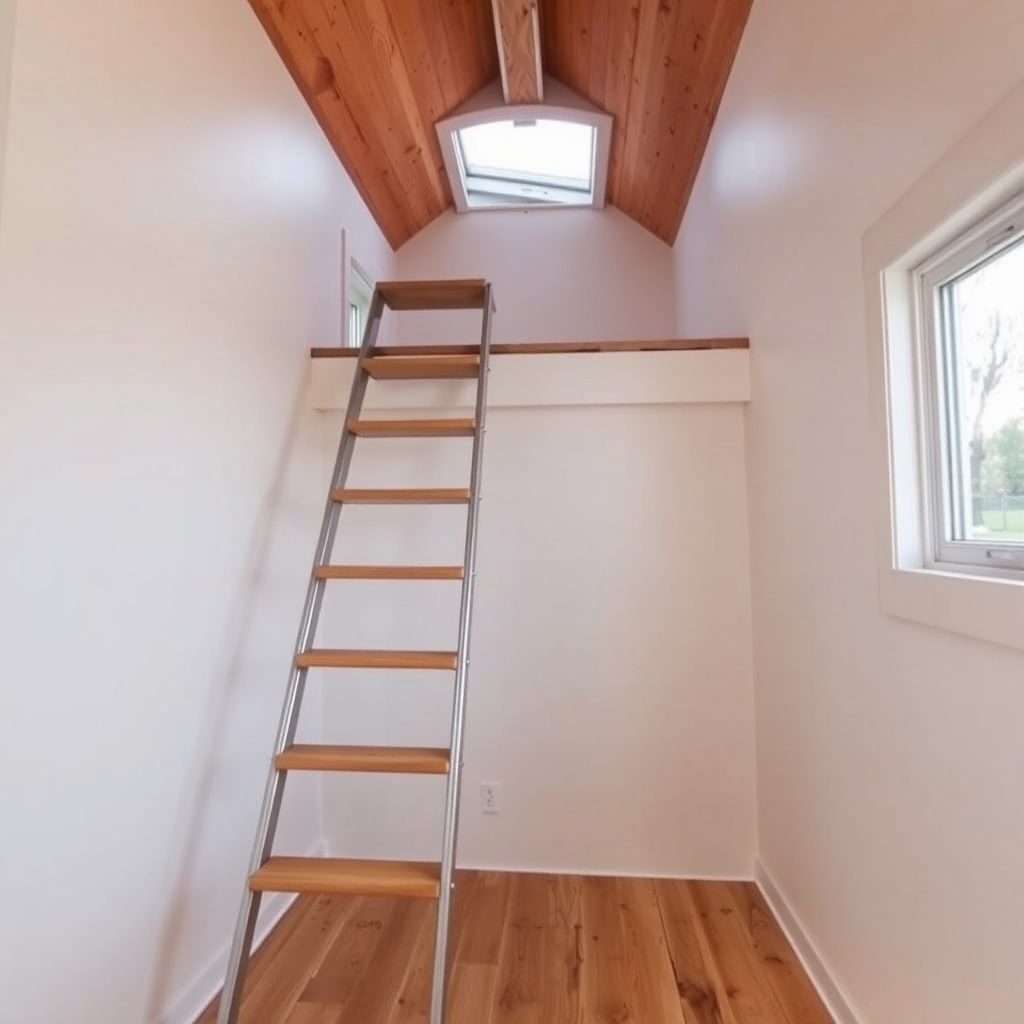
The Tiny Goat House typically features a 7-foot ceiling on the main floor with a loft height of around 4.5 feet to the roof peak. Ladders need a 65–75 degree angle for comfortable climbing without eating into the living area below. Alternating tread ladders, like the Lapeyre Stair, reduce the footprint to just 24 inches deep while keeping each step level—ideal for tight corners near the kitchen or bathroom. Fixed straight ladders are cheapest but require at least 12 inches of clear floor space at the bottom. Foldable attic ladders might work, but they need a hatch cutout, which can disrupt the loft’s clean ceiling line. The best choice for most owners is a compact alternating tread model with a weight capacity under 300 lbs, keeping the build simple and the cost around £200–£400.
Are Space-Saving Stairs a Better Option for the Tiny Goat House?
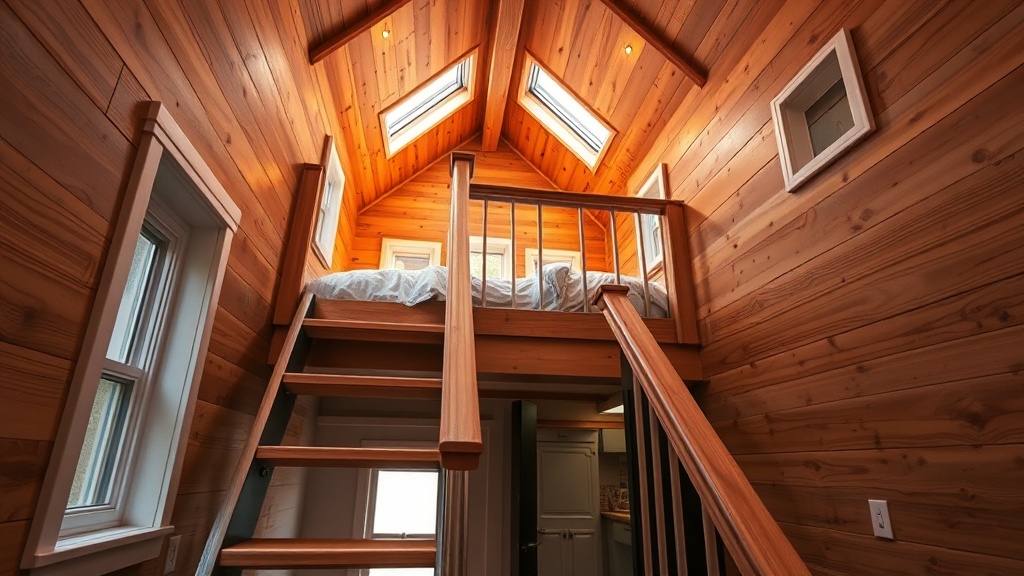
Space-saving stairs, often called ship ladders or spiral staircases, offer easier access for elderly residents or heavier loads. A straight ship ladder with a 50-degree angle requires about 60 inches of horizontal run—double what an alternating tread needs—but it feels more like stairs. Spiral staircases, with a 4-foot diameter, take up a 4-foot-diameter circle, which is a significant 12.5 square feet in the main living area. However, they can be tucked into a corner next to the Tiny Goat House Composting Toilet Installation Guide unit, saving floor space. For most Tiny Goat House layouts, a ship ladder with 6-inch risers and 12-inch treads is functional if you have a 30-inch-wide hallway. Pricing runs £500–£1,200, so weigh the cost against the convenience factor if you plan to use the loft daily.
How to Choose Between Aluminum, Wood, or Steel Construction?
Material choice affects durability, weight, and feel. Aluminum ladders are light (around 15–20 lbs) and resist rust, but they can feel cold and hollow underfoot. Wood ladders—usually birch or poplar—warm up the interior and match the Tiny Goat House’s aesthetic, but need a non-slip finish. Steel staircases are heavy and require solid floor reinforcements, but they handle heavy loads. For the Tiny Goat House, a compromise is a hybrid design: steel stringers with hardwood treads. This combo keeps weight reasonable (under 50 lbs) while offering a sturdy, premium feel. Expect to pay £300–£700 for a ready-made unit or £150–£300 if you build a custom setup using local timber.
| Feature | Aluminum Ladder | Wood Ladder/Stairs | Steel Stairs |
|---|---|---|---|
| Weight (approx) | 15–20 lbs | 30–50 lbs | 80–120 lbs |
| Cost Range | £150–£350 | £200–£600 | £400–£1,000 |
| Rust Resistance | Excellent | Needs sealing | Needs coating |
| Footprint (depth) | 12–18 inches | 24–36 inches | 36–48 inches |
| Best for | Light use, occasional | Daily use, aesthetics | Heavy duty, elderly |
What Are the Safety Standards for Tiny Goat House Loft Access?
Loft ladders in the Tiny Goat House should comply with UK building regulations for loft conversions, specifically a clear width of at least 600 mm and maximum 9-inch risers for stairs. For ladders, handrails are recommended on both sides if the height exceeds 2.5 meters (about 8 feet). The floor at the top must have a minimum 300 mm platform before the edge. Anti-slip treads or rubber strips reduce accidents, especially in humid settings. Always anchor the ladder to the floor and loft framing with heavy-duty brackets. A simple test: if the ladder wobbles when you step, beef up the mount. For spiral stairs, add a continuous handrail. If you’re integrating the access near a cooking area, check the heat resistance of the materials—aluminum near a Tiny Goat House: Top Induction Cooktops for Small Kitchens is fine, but wood needs a protective coating.
How to Save Floor Space with a Fold-Down Loft Ladder?
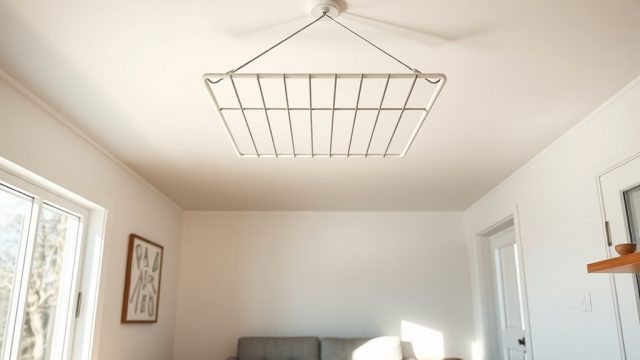
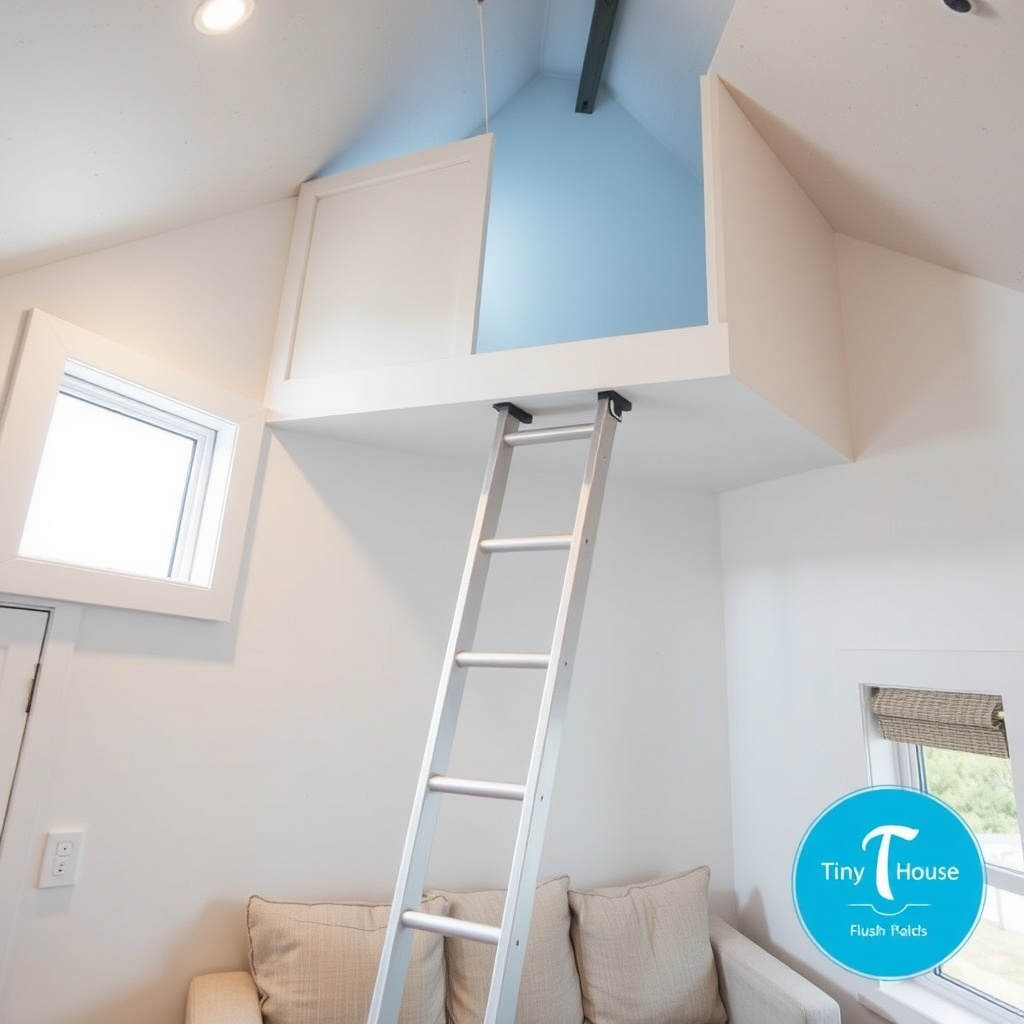
Fold-down ladders, like the Fakro LWK or Werner OC, spring from the ceiling and fold against the wall when not in use. They free up floor space completely, ideal for the Tiny Goat House’s compact living areas. Installation requires a sturdy ceiling hatch—usually 22 by 36 inches—and at least 30 inches of clearance below for the ladder to swing down. The folded unit is about 6 inches thick, tucking neatly behind the sofa. These ladders are less aesthetic than wooden steps, but they can be hidden with a flush hatch painted to match the ceiling. Cost is £200–£450, and they support up to 350 lbs. One drawback: you lose the loft floor space near the hatch, as the opening is fixed. In the Tiny Goat House, this works best if the hatch aligns with a low-traffic corner near the bathroom.
What Owners Say About Loft Access in the Tiny Goat House
Owner Sarah from Cornwall noted that her alternating tread ladder “took a week to get used to, but now I can race up in seconds—it’s the best use of 18 inches of floor space.” Jake from Scotland installed a fold-down model: “It’s perfect for guests, but I wish I’d added a handrail at the top for safety at night.” Another owner, Tom, built a custom ship ladder using reclaimed wood: “Cost me £120 and looks rustic, but I had to reinforce the floor joists. It’s solid now.” Common feedback is that wood stairs feel warmer but require varnish every year, while aluminum ladders ding easier.
Frequently Asked Questions
- Can I fit a spiral staircase in a standard Tiny Goat House? Yes, with a 4-foot diameter model, but you’ll lose a 4-foot circle of floor space—about 12.5 square feet. Plan around the kitchen or bathroom doorway.
- Do I need building regulations for a loft ladder? In the UK, you need approval if the ladder replaces a permanent staircase or if the loft becomes a bedroom. For occasional use in a tiny house, it’s often exempt, but check your local council.
- Which material is easiest to clean? Aluminum ladders wipe down easily with a damp cloth. Wood requires dusting and occasional treatment to avoid splinters.
- Can I install a ladder myself? Yes, most come with detailed instructions. The fold-down types need precise ceiling measurements, but a DIYer can manage in an afternoon. For steel stairs, hire a handyman.
- What’s the maximum weight capacity I need? For the Tiny Goat House, a 300 lbs capacity covers most adults plus a backpack. Heavy-duty models go to 400 lbs, but they’re bulkier.
- Will a loft ladder void my insurance? Only if it’s improperly installed and causes damage. Have it checked by a professional to keep your tiny house policy valid.