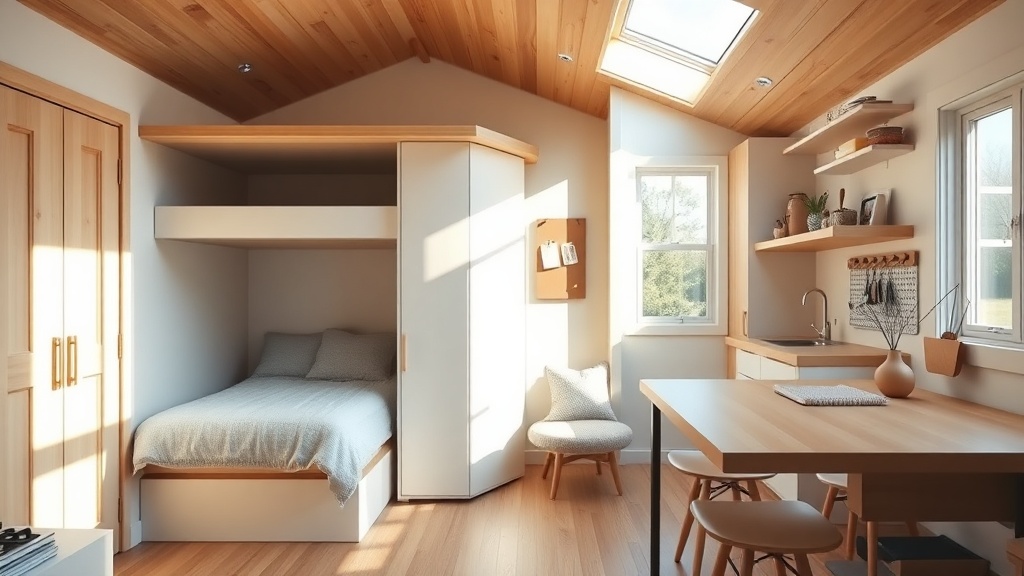
Introduction: Maximizing Every Square Inch in Your TinyDwell
TinyDwell homes are the epitome of efficient living, where every square foot must serve a purpose. In a space that often measures under 400 square feet, traditional furniture simply won’t do. The key to comfortable tiny living lies in smart, multipurpose pieces that transform and adapt. This guide explores ten essential space-saving furniture items that turn your TinyDwell from cramped to cozy, allowing you to live large with less.
How Does a Murphy Bed Save Space Without Sacrificing Comfort?
A Murphy bed (or wall bed) is the cornerstone of tiny house sleeping solutions. When folded up, it disappears into a cabinet, freeing the floor space for daytime activities like working, dining, or yoga. Modern designs for TinyDwell homes include integrated shelving, built-in USB ports, and even a folding desk that drops down when the bed is stowed. Quality models from brands like Murphy Door and Clever American start around $1,800 USD for a twin size, with queen-size units reaching $3,200 USD. Look for beds with gas piston mechanisms for effortless raising and lowering—these are far safer than old spring systems and require minimal effort.
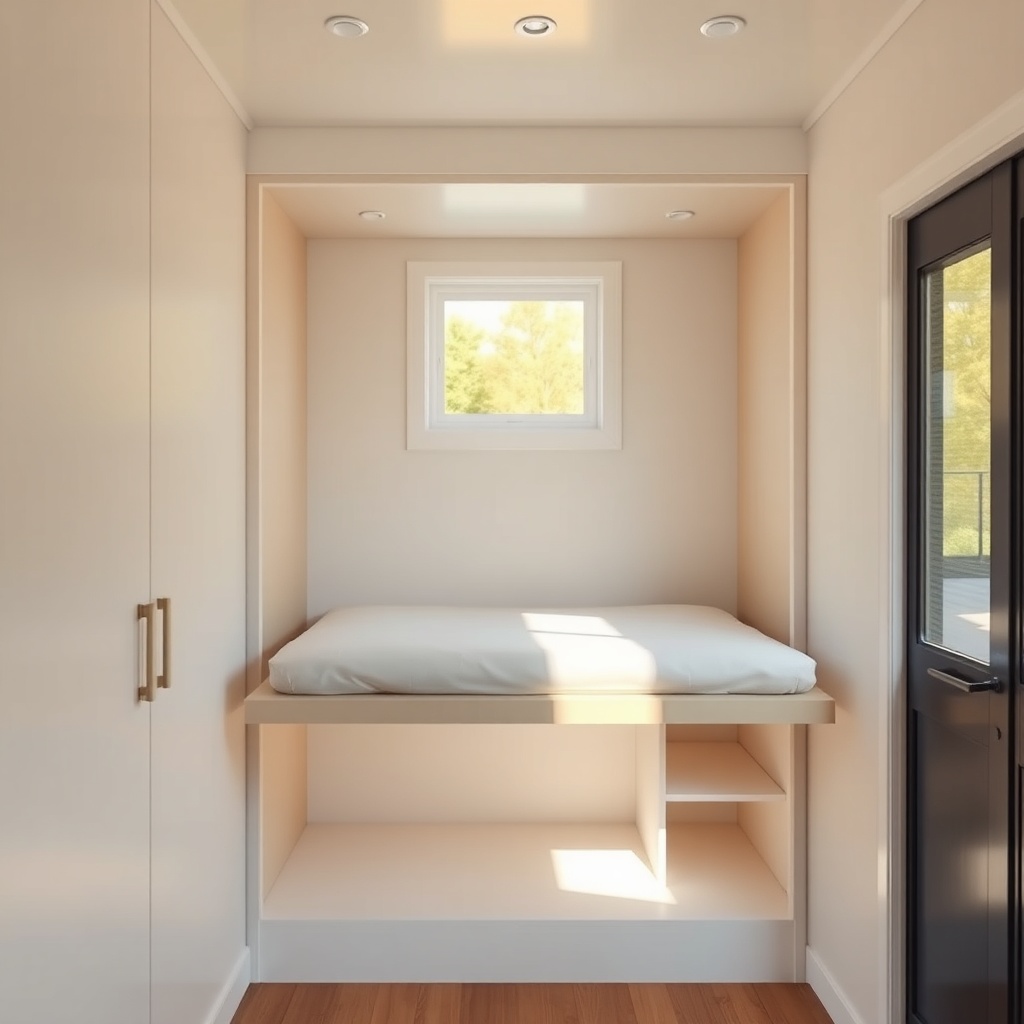
Which Wall-Mounted Desks Work Best for Home Offices in TinyDwell?
With remote work becoming permanent for many, a dedicated workspace in a TinyDwell is non-negotiable. Floating wall-mounted desks that fold down when needed are ideal. Models like the “Drop Down Desk” from Expand Furniture offer a 24-inch deep writing surface that supports up to 30 kg (66 lbs), pricing at $399 USD. For a lighter option, IKEA’s KARLBY countertop bracket system can be customized with a simple wooden slab and foldable legs, costing under $150 USD. The key is to choose a desk that integrates power outlets—some units include built-in grommets for cable management and a small drawer for notebooks. For corners, consider a triangular fold-down desk that fits neatly between two walls, maximizing dead space.
| Desk Model | Type | Max Weight | Price (USD) | Best For |
|---|---|---|---|---|
| Expand Furniture Drop Down | Wall-mounted, foldable | 30 kg (66 lbs) | $399 | Full-home office work |
| IKEA KARLBY + Brackets | Custom floating | 20 kg (44 lbs) | $150 | Light laptop use |
| Techtopus Wall Desk with Storage | Folding, with shelves | 25 kg (55 lbs) | $279 | Artists & students |
| Corner Fold-Down Desk | Triangular, wall-mounted | 18 kg (40 lbs) | $220 | Dead corner spaces |
What Are the Best Modular Sofas for TinyDwell Living Rooms?
Modular sofas are a TinyDwell essential because they adapt to your changing needs. Look for pieces that can be reconfigured from a two-seater sofa into a chaise lounge or even a guest bed. The “Sactional” by Lovesac is a premium option, starting at $2,500 USD for a 3-seat setup, but its machine-washable covers and interchangeable sides make it durable. More affordable is the “SoGood” sofa from Songmics, priced at $450 USD, which features a reversible backrest that converts from right to left configuration. Key features to prioritize: lightweight foam that is easy to move, removable covers for cleaning, and the ability to add a pull-out trundle bed underneath for overnight guests.
How Can Vertical Storage Systems Transform a TinyDwell Kitchen?
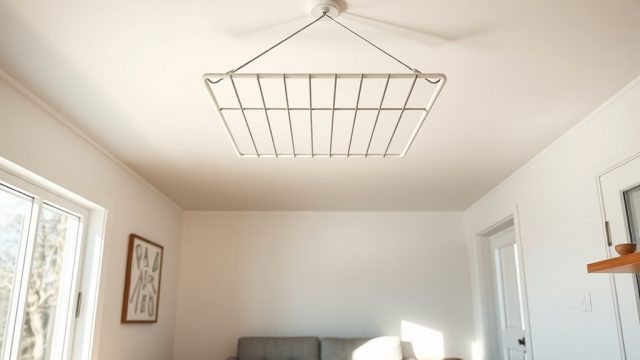
In a TinyDwell kitchen, counter space is precious. Vertical storage solutions—like magnetic knife strips, hanging pot racks, and pegboard walls—utilize the empty wall space above countertops. The “Rack and Shelf” system by simplehuman offers adjustable magnetic bars that hold knives, spices, and utensils, costing $89 USD for a starter kit. For pots and pans, a ceiling-mounted pot rack (around $120 USD) not only saves cabinet space but also adds a rustic aesthetic. Consider a wall-mounted spice rack with clear containers that magnetically attach; these are available for $35 USD and keep your counter clutter-free. A pegboard system, like IKEA’s SKÅDIS, is versatile and cheap—starting at $20 USD for the board and hooks—allowing you to rearrange tools as needed.
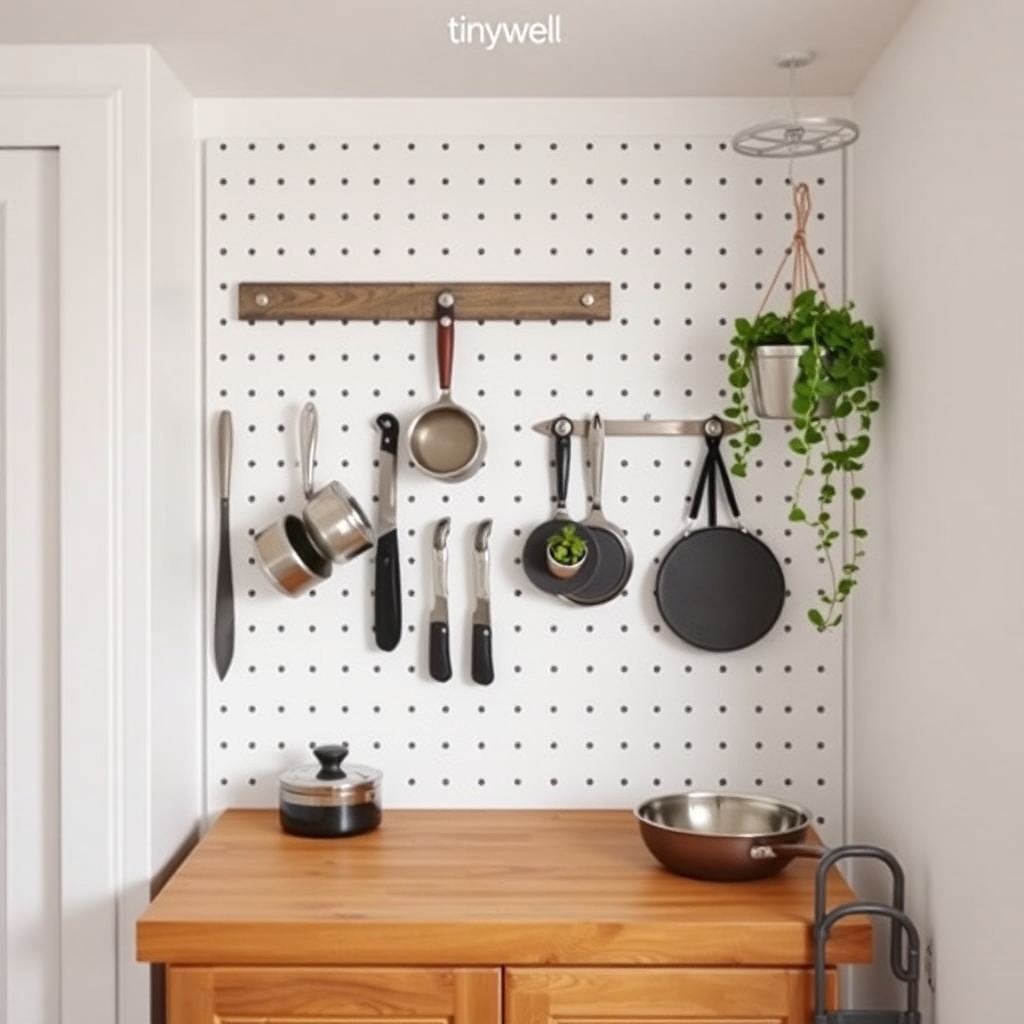
Which Folding Dining Tables Are Practical for Everyday Use in TinyDwell?
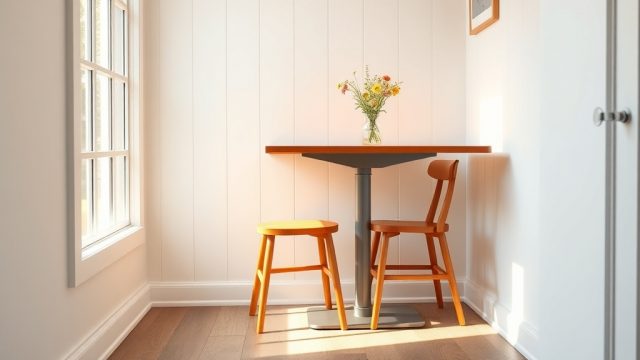
A dining table in a TinyDwell must fold away completely or expand only when needed. The best option is a wall-mounted drop-leaf table that folds flat against the wall when not in use. The “Folding Dining Table” from Dakota Fields (priced at $299 USD) features two drop leaves that support six people when fully extended, yet folds to just 6 inches deep. For a more versatile solution, consider a coffee table that rises to dining height, such as the “Tavolo” from VidaXL ( $215 USD). This piece serves as a coffee table by day and lifts to 28 inches for evening meals. Finally, nesting tables (like the “Nesting Coffee Table Set” from Walker Edison, $175 USD) can be spread out for guests and stacked into one small unit when not needed.
How Do Loft Beds and Staircase Storage Create a Bedroom in a TinyDwell?
Loft beds are a TinyDwell staple, elevating the sleeping area to create a “room” underneath. A twin-size loft bed from DHP (priced at $280 USD) provides 40 inches of clearance below for a desk, sofa, or storage bins. More innovative designs combine the loft with built-in stairs that double as drawers—each step opens to reveal a storage compartment for clothes, linens, or shoes. The “Full Over Futon Loft Bed” from Coaster Home Furnishings ($799 USD) includes a futon underneath that converts to a second bed. For a custom touch, many TinyDwell owners build their own loft (materials cost around $400-600 USD) with integrated bookshelves and hidden lighting. Ensure the loft’s ladder is sturdy and angled for safety, and consider a safety rail that is at least 12 inches high.
What Owners Say
TinyDwell owners consistently praise the transformative power of these furniture pieces. Susan from Oregon says, “Our Murphy bed completely changed how we use our 280-square-foot home. At night it’s a cozy bedroom, and by 8 AM it’s a bright living room. Our friends can’t believe we live in a tiny house.” Mark, a remote worker in Austin, shares, “The wall-mounted desk with built-in charging saved my back. I work eight hours a day, and having a proper desk that folds away makes our space feel twice as big.” Many owners highlight the kitchen vertical storage as the most underrated upgrade; Jenny from Colorado notes, “Magnetic knife strips and a pegboard freed up three entire drawers in my TinyDwell kitchen. I can actually prep meals now without moving everything.” For dining, owners of drop-leaf tables appreciate the flexibility; “We host dinner for six in our 320-square-foot loft—it sounds crazy, but the folding table makes it real,” says David from Portland.
Frequently Asked Questions
1. What is the average cost of furnishing a TinyDwell home with space-saving furniture?
Fully outfitting a TinyDwell home (approx. 200-400 sq ft) with quality space-saving furniture ranges from $3,500 to $6,500 USD. This includes a Murphy bed ($1,800-$3,200), modular sofa ($450-$2,500), folding desk ($150-$399), kitchen vertical storage ($100-$250), and dining solutions ($175-$300). Budget options (IKEA and generic brands) can lower this to $1,800-2,500, while custom-made pieces can exceed $8,000.
2. Can I install a Murphy bed myself, or do I need a professional?
While many wall bed kits are designed for DIY installation, it’s recommended for most people to hire a professional carpenter or handyman, especially if mounting into studs or a ceiling. The cost of professional installation averages $300-$600 USD. Incorrect installation can damage walls or cause the bed to malfunction. Always check the product’s weight rating and your TinyDwell’s wall structure.
3. Are modular sofas comfortable for everyday sleeping?
Yes, many modular sofas are designed with guest sleeping in mind. Look for models with a pull-out trundle (like the Lovesac Sactional) or chaise sections that can be repositioned to form a flat surface. However, for full-time sleeping, a Murphy bed or loft bed is recommended because sofas typically lack proper mattress support for nightly use.
4. How do I measure my TinyDwell for vertical storage systems?
Measure the wall height (floor to ceiling) and width. Standard pegboards (IKEA SKÅDIS) are 22×22 inches, but you can combine multiple boards. For magnetic strips, ensure the wall is metal or use strong adhesive backing. Leave at least 6 inches of clearance above counters for pot racks. A good rule: vertical storage should be at shoulder height or above to avoid obstructing daily activities.
5. What is the best material for space-saving furniture in a TinyDwell?
Solid wood (birch, pine, oak) is durable and can be refinished, but it is heavier. Plywood with a veneer is lighter and more affordable but less durable. Metal (steel or aluminum) is excellent for folding mechanisms and loft beds—it’s strong, thin, and can be powder-coated. For budget items, medium-density fiberboard (MDF) is common but may warp in humid TinyDwells. Prioritize furniture certified by the CARB2 or TSCA Title VI standards for low formaldehyde emissions in small spaces.
6. Can I customize fold-down desks for a TinyDwell with limited wall space?
Absolutely. Many owners build custom fold-down desks using a salvaged wooden slab and heavy-duty shelf brackets. You can paint the desk to match your décor and add foldable legs from hardware stores (around $15 each). For a clean look, use a piano hinge so the desk folds completely flat. Ensure the locking mechanism is strong and the weight capacity matches your equipment.