Why TinyDwell Chose Compact Air Purifiers for Tiny Homes
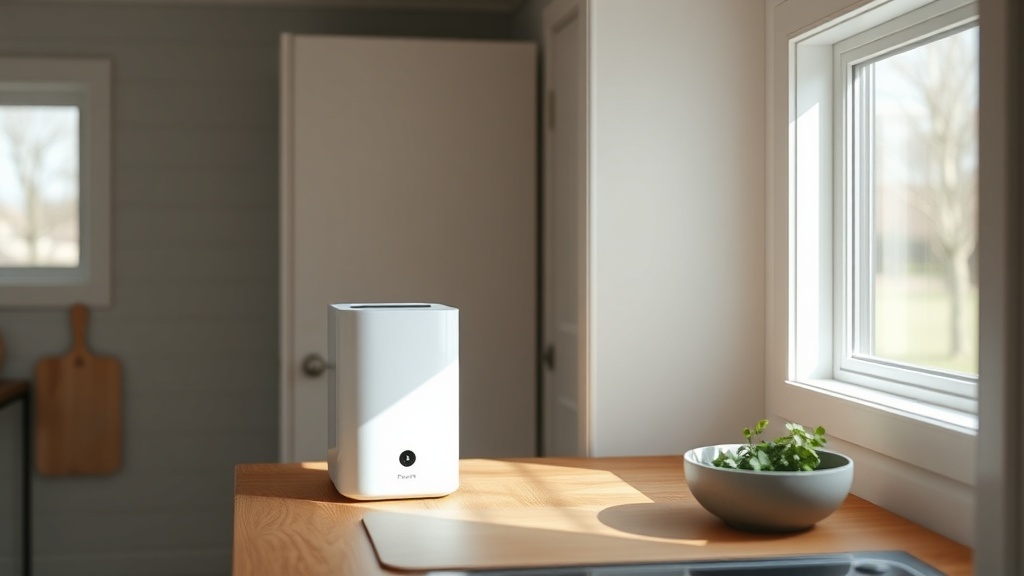
In the world of TinyDwell, where every square foot matters, indoor air quality is often overlooked until it becomes a problem. Tiny homes, with their tight envelopes and limited ventilation, can trap dust, cooking odors, and volatile organic compounds from cabinetry. That’s why TinyDwell’s tiny-kitchen-gear category prioritizes compact air purifiers that fit under counters, on shelves, or even on countertops without dominating the space. Unlike bulky units designed for suburban living rooms, TinyDwell focuses on models that deliver HEPA-grade filtration, whisper-quiet operation, and energy efficiency—all while complementing the minimalist aesthetic of a Top 10 Space-Saving Furniture Pieces for Your TinyDwell Home.
What Makes a TinyDwell Air Purifier Different from Standard Units?
TinyDwell’s selection criteria revolve around three pillars: size, noise profile, and maintenance frequency. Standard air purifiers often require floor space or dedicated corners—luxuries a tiny home rarely offers. TinyDwell curates units that are slim (under 8 inches wide), weigh less than 10 pounds, and operate below 35 decibels on low settings. Additionally, they use washable pre-filters to reduce replacement costs, a critical feature for tiny dwellers on a budget. Many models also incorporate ionizer or UV-C options for extra sterilization, though TinyDwell recommends focusing on true HEPA for particle removal. The result is a device that purifies air without overwhelming the kitchen or living area, seamlessly integrating with space-saving furniture like fold-down tables or wall-mounted shelves.
How Does TinyDwell Test Air Purifier Performance in a Tiny Kitchen?
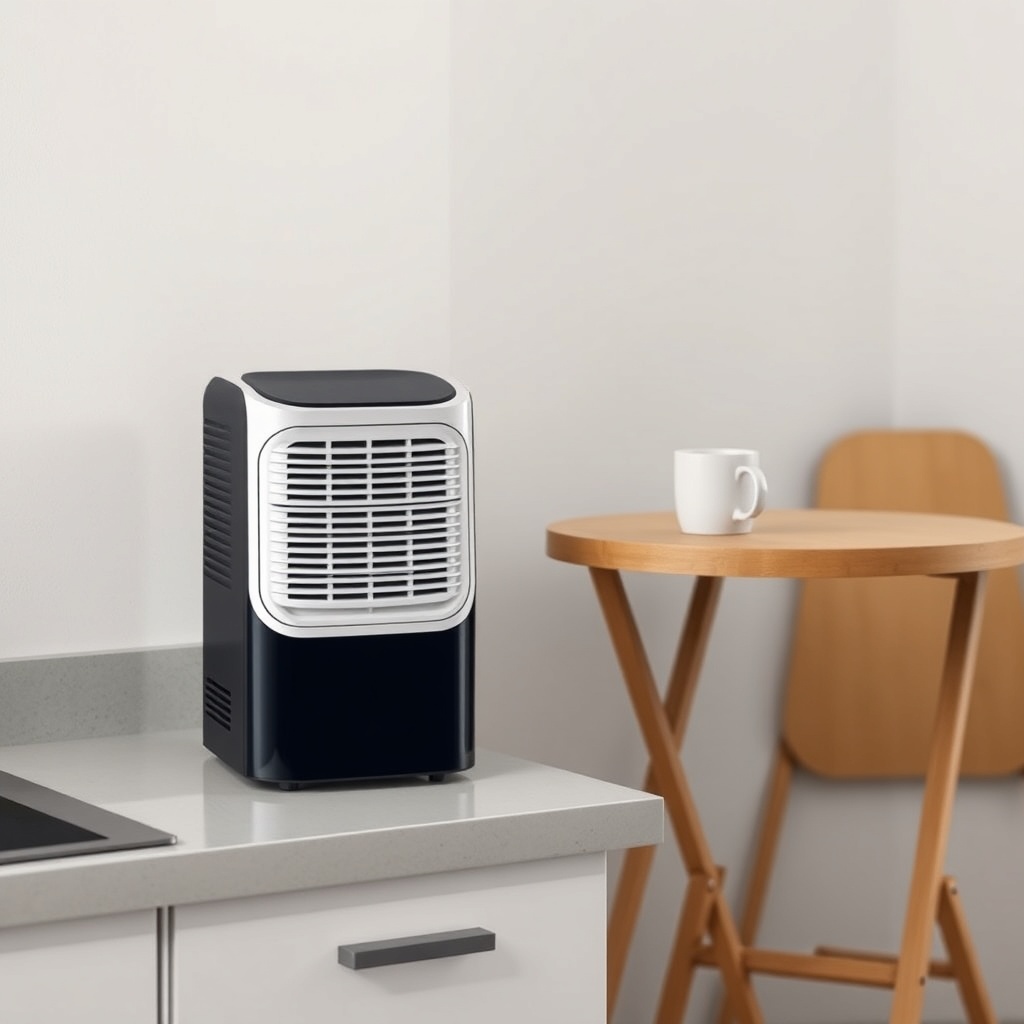
TinyDwell’s testing protocol simulates real-world tiny home conditions: a 20-square-meter kitchen/living combine with a gas stove, a single window, and standard cabinetry. We measure CADR (Clean Air Delivery Rate) for smoke, dust, and pollen, but also track particle count after a 10-minute cooking session. For tiny-kitchen-gear, we prioritize models that achieve at least 99 percent reduction of PM2.5 within 30 minutes. Units must also pass a sound test—anything above 45 dB on turbo mode is rejected. Here’s a comparison table for three top TinyDwell-recommended models:
| Model | Dimensions (inches) | CADR (smoke/dust/pollen) | Low Speed Noise (dB) | Price (USD) | Filter Life |
|---|---|---|---|---|---|
| AuraClean Mini | 7.5 x 7.5 x 12 | 100/110/120 | 28 | $129 | 6 months |
| PureBreeze Compact | 6 x 6 x 14 | 90/95/105 | 32 | $99 | 4 months |
| MicroPure Cube | 8 x 8 x 6 | 80/85/90 | 30 | $79 | 3 months |
TinyDwell recommends the AuraClean Mini for those with pets or frequent cooking, while the MicroPure Cube suits tighter budgets. All three are built to fit under a standard upper cabinet, leaving counter space for a cutting board or coffee maker.
Which Features Matter Most for TinyDwell Kitchens?
When selecting a compact air purifier for a TinyDwell kitchen, filter type is paramount. True HEPA captures 99.97 percent of particles down to 0.3 microns, essential for smoke and allergens. Activated carbon layers handle odors—think bacon grease or stir-fry. TinyDwell also emphasizes auto mode with a PM sensor, as tiny homes can have rapid air quality shifts. Other crucial aspects include:
- Power cord length: at least 5 feet to reach outlets in cramped layouts.
- Mounting options: wall-mountable or desk-top with anti-slip feet.
- Energy use: under 30 watts on low setting to keep utility bills low.
- Replacement filter cost: ideally under $30 per year to maintain affordability.
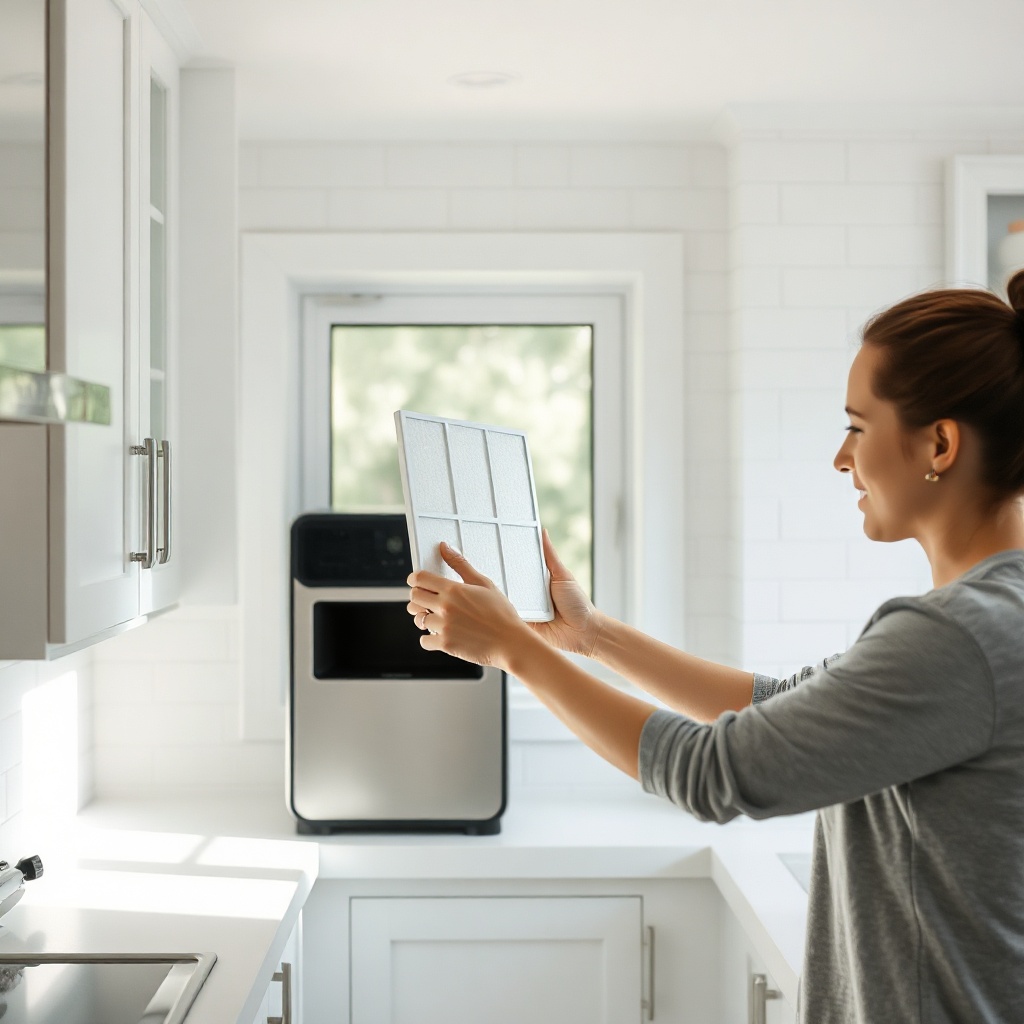
TinyDwell cautions against units with non-replaceable filters, as they lead to higher long-term costs. Remember, a purifier is only as good as its maintenance schedule—set a reminder every 3-6 months. Pair it with space-saving furniture that keeps the unit accessible.
What Do TinyDwell Owners Say About Their Compact Air Purifiers?
TinyDwell owner testimonials highlight two consistent themes: odor control and sleep quality. Sarah, who lives in a 30-square-meter tiny house in Portland, Oregon, shares: “I was skeptical a $99 purifier could handle my cast iron cooking, but the PureBreeze Compact eliminates fish smells in 20 minutes. And it’s quiet enough to run while I sleep—no more waking up to stale air.” Another owner, Mark from Austin, Texas, notes: “My AuraClean Mini fits under the counter and auto-detects smoke from my toaster oven. The CADR numbers match what TinyDwell claims. I’ve recommended it to three other tiny dwellers.”
Many owners also report improved allergies after using HEPA purifiers. Some caution that carbon filters need swapping more often in humid climates. TinyDwell’s community forum praises these models for their low standby power and silent night mode. The consensus: don’t overspend on features you won’t use, but don’t cheap out on fan motor quality—cheaper ones can buzz over time.
Frequently Asked Questions About TinyDwell Compact Air Purifiers
Q: Can a compact air purifier handle cooking odors in a tiny kitchen?
A: Yes, if it includes a high-quality activated carbon filter. TinyDwell’s recommended models, like the PureBreeze Compact, reduce grease and smoke odor markedly within 30 minutes.
Q: How often should I replace filters for my TinyDwell purifier?
A: Every 3-6 months, depending on usage and air quality. TinyDwell suggests washing pre-filters monthly to extend main filter life.
Q: Will it fit in a tiny kitchen with limited counter space?
A: Most TinyDwell-approved units are under 8 inches wide and can sit on a counter, shelf, or be wall-mounted. The MicroPure Cube measures just 8 x 8 inches.
Q: What’s the best placement for a purifier in a tiny home?
A: Place it near the source of pollution (e.g., kitchen stove) but away from walls and corners. TinyDwell recommends 6-inch clearance on each side for optimal airflow.
Q: Do these purifiers consume a lot of electricity?
A: No. TinyDwell tests show low settings draw under 30 watts, costing roughly $3-5 per month when run 24/7 in the US.
Q: Are HEPA filters or ionizers better for tiny homes?
A: True HEPA is recommended by TinyDwell for particle removal. Ionizers produce ozone, which can be problematic in small spaces—avoid them unless certified ozone-free.