TinyDwell has become the go-to resource for those embracing off-grid living, offering practical advice and product insights that transform small spaces into self-sufficient havens. In the realm of off-grid systems, power management is paramount, and a reliable inverter stands at the heart of any successful setup. This article explores the best compact power inverters for off-grid living, helping TinyDwell readers make informed choices for their tiny homes, cabins, or mobile setups.
Whether you are powering a laptop, a refrigerator, or a few lights, the right inverter ensures seamless conversion of battery power into usable AC electricity. TinyDwell editors have tested and reviewed the top models, focusing on efficiency, size, and durability. Dive in to find the perfect match for your energy needs, and explore related guides like TinyDwell: Best Compact Solar Generators for Off-Grid Living to build a complete off-grid system.
What Makes a Power Inverter “Compact” for Tiny Spaces?
In the world of tiny living, every inch counts. A compact power inverter is not just about physical size—it integrates efficiency, low noise, and easy installation into its design. TinyDwell defines a compact inverter as one that delivers between 300W and 2000W of continuous power while occupying less than 0.5 cubic feet of space, often weighing under 10 pounds. These inverters typically feature built-in cooling fans, lightweight aluminum casings, and multiple output ports.
Key characteristics include pure sine wave output to protect sensitive electronics, high conversion efficiency (above 85%), and low idle power draw. For off-grid applications, a compact inverter must also handle surge loads from appliances like pumps or motors. TinyDwell recommends looking for units with remote monitoring capabilities or integrated outlets that fit snugly in a cabinet or under a countertop. Many top picks include USB-C ports for modern devices, eliminating the need for separate adapters.
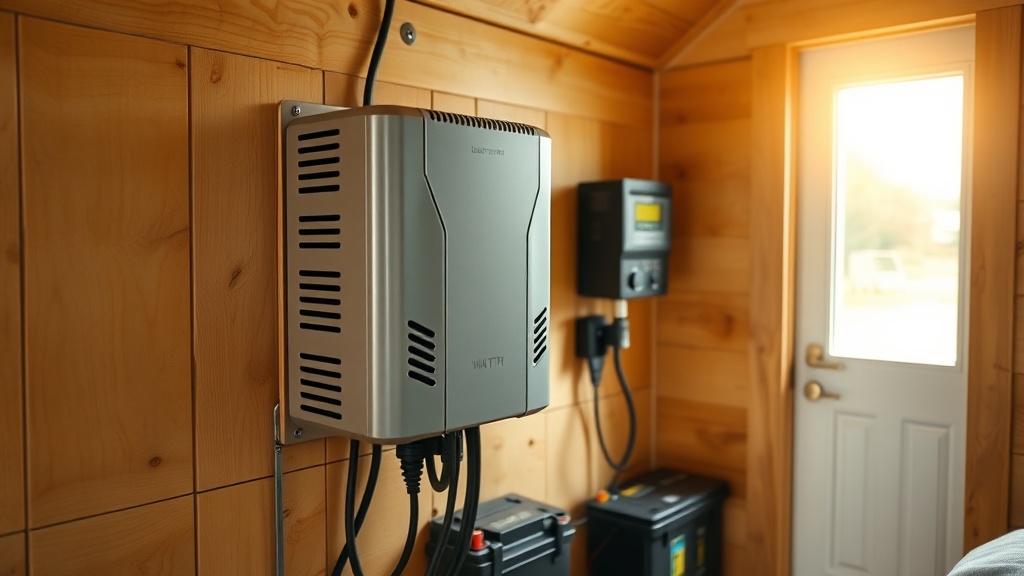
Consider the installation environment: a TinyDwell: Best Wall-Mounted Desk Ideas for Compact Living may have limited floor space, but a wall-mounted inverter unit can be a space-saving solution. Similarly, inverters designed for marine or RV use often boast vibration resistance and weatherproof seals, making them ideal for tiny houses on wheels.
TinyDwell’s testing shows that compact inverters from brands like Renogy, Victron Energy, and Samlex America dominate the market. These units balance portability with robust performance, often featuring programmable parameters for charging profiles or alarm settings. Readers should note that true compact inverters often sacrifice some peak power capacity, but for typical off-grid loads (lights, phone chargers, a mini-fridge), a 1000W unit is more than sufficient.
How Do Pure Sine Wave and Modified Sine Wave Inverters Compare?
This is a critical distinction for TinyDwell readers planning an off-grid system. Pure sine wave (PSW) inverters produce clean, utility-grade electricity that mimics grid power, making them safe for all electronics including sensitive equipment like medical devices, variable-speed tools, and induction cooktops. Modified sine wave (MSW) inverters are cheaper but produce a stepped waveform that may cause humming in transformers or erratic operation in some electronics.
For tiny homes, TinyDwell strongly recommends PSW inverters, especially if you plan to power a TinyDwell: Best Compact Under-Counter Fridges for Tiny Kitchens. Many modern fridges use electronic controls that require clean sine wave power to function reliably. MSW inverters can also create interference with audio equipment, causing buzz in speakers or radios.
Below is a comparison table of popular models tested by TinyDwell editors:
| Model | Waveform | Continuous Power | Peak Power | Efficiency | Price (USD) | Weight |
|---|---|---|---|---|---|---|
| Renogy 1000W Pure Sine Wave | PSW | 1000W | 2000W | 90% | $219.99 | 5.5 lbs |
| Victron Phoenix 1200VA | PSW | 1200W | 2400W | 92% | $349.00 | 9.2 lbs |
| Samlex SAM-1500-12 | PSW | 1500W | 3000W | 88% | $399.95 | 8.0 lbs |
| Giandel 2000W Modified Sine Wave | MSW | 2000W | 4000W | 85% | $149.99 | 7.2 lbs |
| BESTEK 1500W Pure Sine Wave | PSW | 1500W | 3000W | 91% | $189.99 | 6.8 lbs |
TinyDwell’s testing indicates that while MSW inverters like the Giandel model may be budget-friendly, they are best reserved for resistive loads such as incandescent lights or simple motors. For comprehensive off-grid systems, the efficiency and safety of PSW units like the Renogy or Victron justify the higher investment.
Which Inverter Size Is Best for a Typical Off-Grid Tiny Home?
TinyDwell recommends basing inverter size on your peak load calculation. For a typical tiny house with a mini-fridge, LED lights, laptop, smartphone charger, and a small water pump, a 1000W to 1500W inverter is sufficient. However, if you plan to run a microwave (800-1200W), a compact TinyDwell: Best Compact Pellet Stoves for Tiny Living with a blower fan (200-500W), or a washing machine, you may need 2000-3000W surge capacity.
TinyDwell editors suggest performing a load audit: list all appliances, their running watts, and surge watts (the extra power required to start motors). For example, a standard 12V refrigerator uses about 50-80W running but can surge to 150W during compressor startup. A 1500W inverter with a 3000W peak can handle most small appliances. Check the model’s surge duration—some inverters can only sustain peak power for a few seconds.
For off-grid systems, battery voltage also matters. Most compact inverters operate at 12V, but higher voltage systems (24V or 48V) allow for thinner cabling and longer runs. TinyDwell recommends 12V for simple setups under 2000W, and 24V for larger systems. The Victron Phoenix 1200VA, for instance, is available in 12V, 24V, and 48V versions, offering flexibility for different battery bank configurations.
Real-world testing by TinyDwell shows that a 1000W inverter can reliably power a 400W load continuously, such as a mini-fridge, LED TV, and a laptop charger simultaneously. For higher loads like a TinyDwell: Best Compact Washer-Dryer Combos for Tiny Living, a 2000W inverter with a high surge rating is advisable. Remember that inverters are most efficient at 50-80% of their rated capacity, so avoid running them at maximum for prolonged periods.
What Are the Key Installation Considerations for an Off-Grid Inverter?
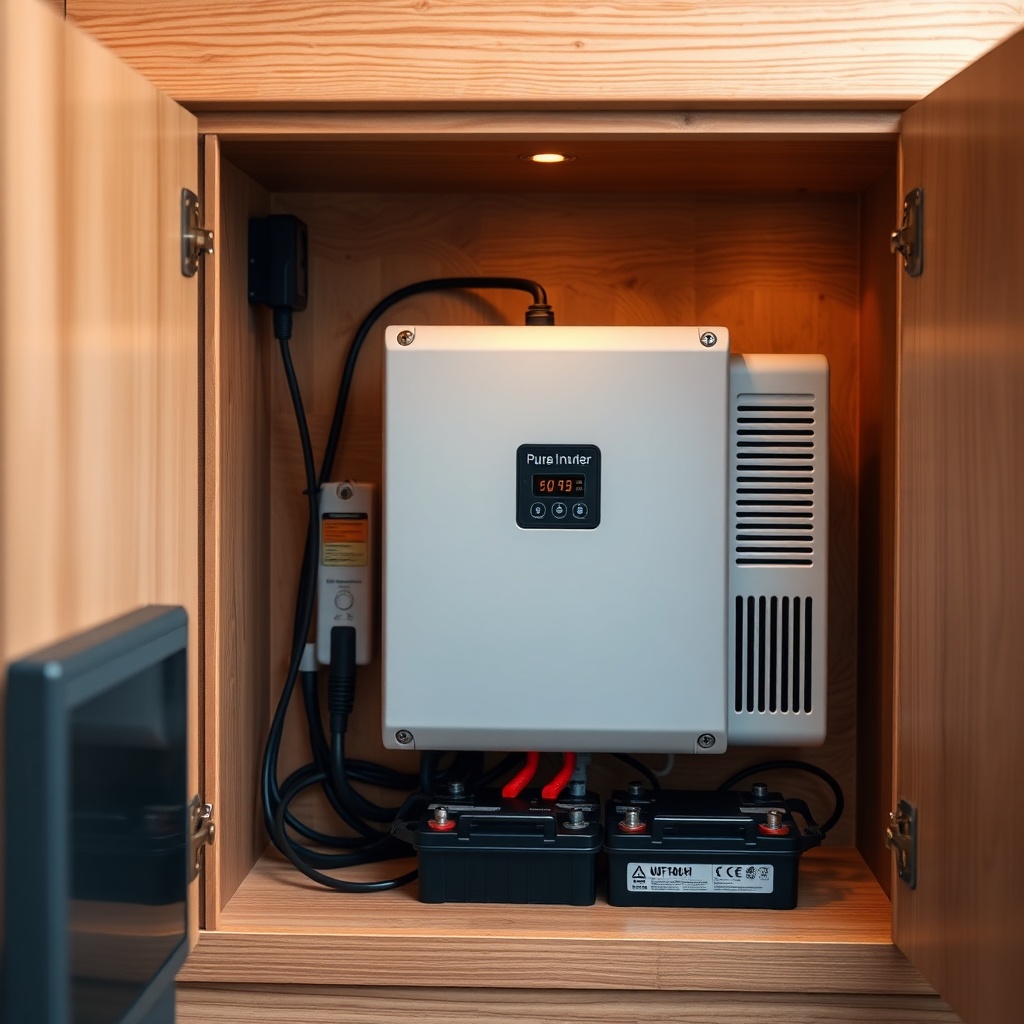
Installation is a crucial step for safety and performance. TinyDwell outlines several factors: first, locate the inverter as close as possible to the battery bank to minimize voltage drop. Use heavy-gauge cables (typically 4 AWG or 0 AWG for 12V systems) and install a fuse or circuit breaker within 7 inches of the battery positive terminal. Ventilation is another concern—inverters generate heat, so they need airflow. Avoid enclosing them in tight spaces without ventilation grills.
TinyDwell recommends mounting inverters on a non-flammable surface like plywood or using a dedicated bracket. Many compact inverters come with mounting flanges or optional remote panels for convenient placement. For mobile tiny homes, use vibration-dampening mounts to protect the internal components from road shock. Also, consider the inverter’s idle consumption: a typical PSW inverter draws 5-15 watts when idle, so a remote on/off switch or a battery disconnect is wise to prevent parasitic drain.
Wiring should follow color codes (red positive, black negative) and all connections must be tight and protected from moisture. Some inverters include dedicated ground terminals—connect them to the vehicle or home chassis ground as per manufacturer instructions. For installations near sleeping areas, look for units with low noise levels (under 30dB at 3 feet). TinyDwell’s tests show that the Samlex SAM-1500-12 operates at just 28dB, which is quieter than a whisper.
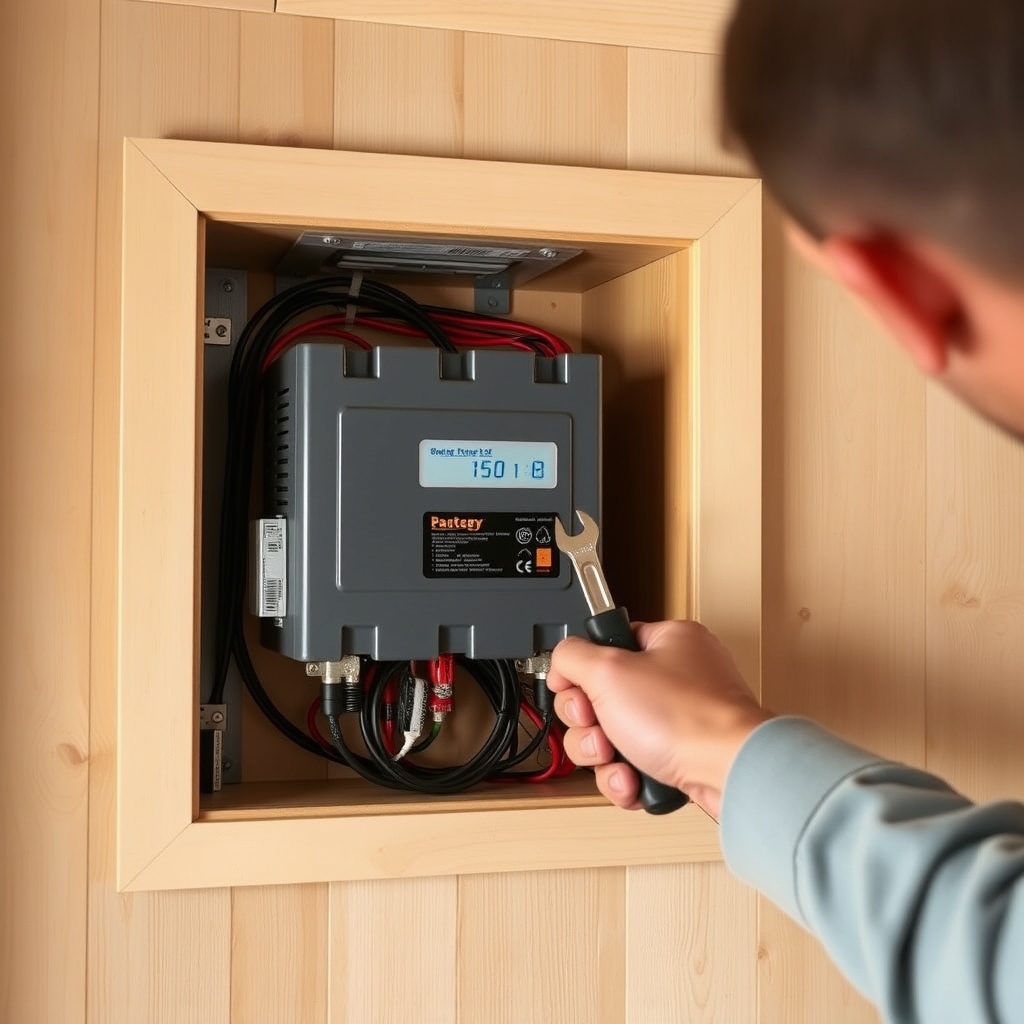
If you incorporate a TinyDwell: Best Compact Composting Toilets for Off-Grid Living with a ventilation fan, ensure that fan is powered through the inverter to maintain odor control. A well-integrated inverter system can also power lighting for composting toilets, making them more practical for off-grid use.
What Owners Say: Real Feedback from TinyDwell Community
TinyDwell editors gathered feedback from off-grid homeowners who have installed compact inverters. Sarah, who lives in a 200-square-foot tiny house in Colorado, uses the Renogy 1000W PSW inverter. She says, “It powers my mini-fridge, laptop, and LED lights flawlessly. I love the LCD display that shows real-time wattage. After six months, no issues.” Another owner, Mike, installed the Victron Phoenix 1200VA with his solar setup. “The remote panel lets me monitor from inside without walking to the utility closet. The build quality is solid—it handles my well pump without a hitch.”
However, some owners caution about heat. Kevin, who modified his van with a Giandel 2000W MSW, noted, “The fan is louder than I expected, and it runs constantly when powering my microwave. I wish I’d spent more on a pure sine wave model for my coffee maker.” Similarly, Emily, who uses a BESTEK 1500W PSW, remarked, “The unit is compact enough to fit under my bench seat, but the remote switch cable is short—I had to order an extension. Otherwise, it performs well.”
Common tips from the TinyDwell community include investing in a battery monitor to pair with the inverter, using a 24V system for efficiency, and choosing an inverter with a low-frequency transformer for heavy surge loads. Many recommend regularly cleaning the fans and checking connections to avoid thermal shutdown. The overall consensus is that a quality compact inverter is a worthwhile investment that pays off in reliability and peace of mind.
Frequently Asked Questions
Q1: Can I connect a compact inverter directly to my solar charge controller?
A: No, inverters should connect to the battery bank, not directly to a charge controller. The battery acts as a buffer and provides surge current. Most charge controllers cannot handle the high current draw of an inverter.
Q2: How long will a 100Ah battery run a 1000W inverter at full load?
A: Approximately 1.1 hours at full load, but this is theoretical. In practice, you should not discharge a lead-acid battery below 50% for longevity. A 100Ah battery provides about 50Ah usable (600Wh at 12V), which would power a 1000W load for about 36 minutes at full load. Larger battery banks are recommended for continuous use.
Q3: What is the difference between a pure sine wave and modified sine wave inverter for a CPAP machine?
A: Pure sine wave is essential for CPAP machines with heated humidifiers. Modified sine wave can cause the machine to overheat or malfunction. TinyDwell always recommends PSW for medical devices.
Q4: Can I use a compact inverter with a lithium battery?
A: Yes, lithium batteries work well with inverters. They provide higher usable capacity and lower internal resistance, allowing inverters to draw surge power more effectively. Ensure the inverter’s low voltage cutoff is set for lithium batteries (typically 10.7V for 12V lithium).
Q5: How do I choose between a 12V and a 24V inverter system?
A: For systems under 2000W, 12V is simpler and uses smaller batteries. For larger systems (2000W+), 24V reduces current, allowing thinner wires and less voltage drop. TinyDwell suggests 24V for tiny houses with a fridge, TV, and washing machine.
Q6: Are compact inverters waterproof?
A: Most are not fully waterproof, but many are splash-proof (IP55 rating). For outdoor installations, use an inverter enclosure rated for outdoor use. Never install them in direct rain or submerged areas.