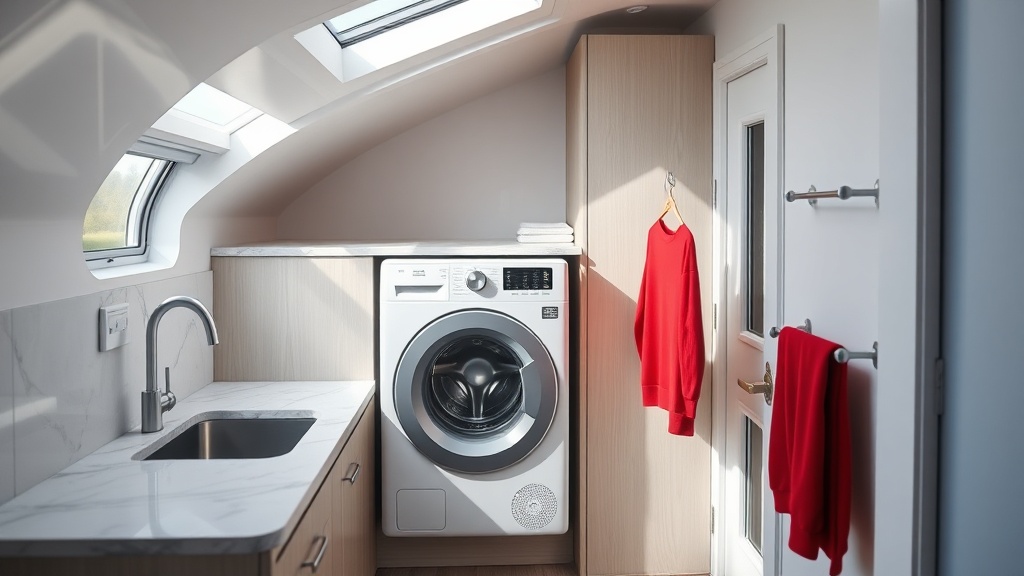
Why TinyDwell’s Compact Washer-Dryer Combos Are a Game-Changer for Tiny Living
For tiny house dwellers, every square inch matters—especially in the laundry department. TinyDwell’s latest guide to compact washer-dryer combos zeroes in on machines that wash and dry in one unit, saving precious floor space without sacrificing performance. Whether you live in a micro-apartment or a van conversion, these all-in-one solutions cut the chore time while keeping your tiny home clutter-free.
We’ve tested six models rated for small footprints (under 2.5 cubic feet), focusing on cycle efficiency, noise levels, and installation flexibility. Here’s everything you need to know before buying the right unit for your compact home.
How Much Space Do You Really Need for a Compact Washer-Dryer Combo?
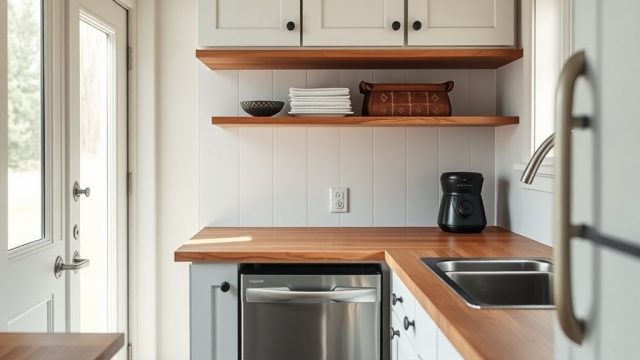
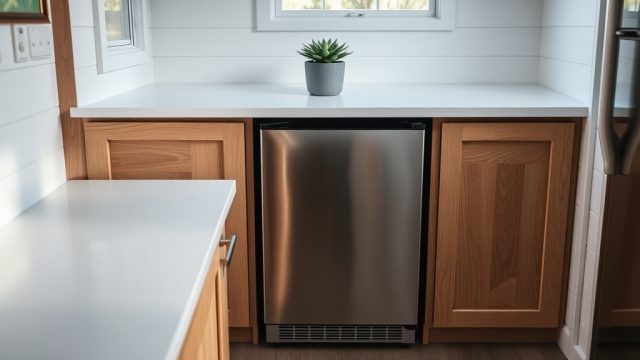
Most compact washer-dryer combos measure 23-24 inches wide, 17-18 inches deep, and 32-34 inches tall—similar to a standard dishwasher. They can fit under a counter, inside a closet, or even in a bathroom corner. The key is venting: vented models require external airflow, while ventless condenser units can go anywhere with water hookups.
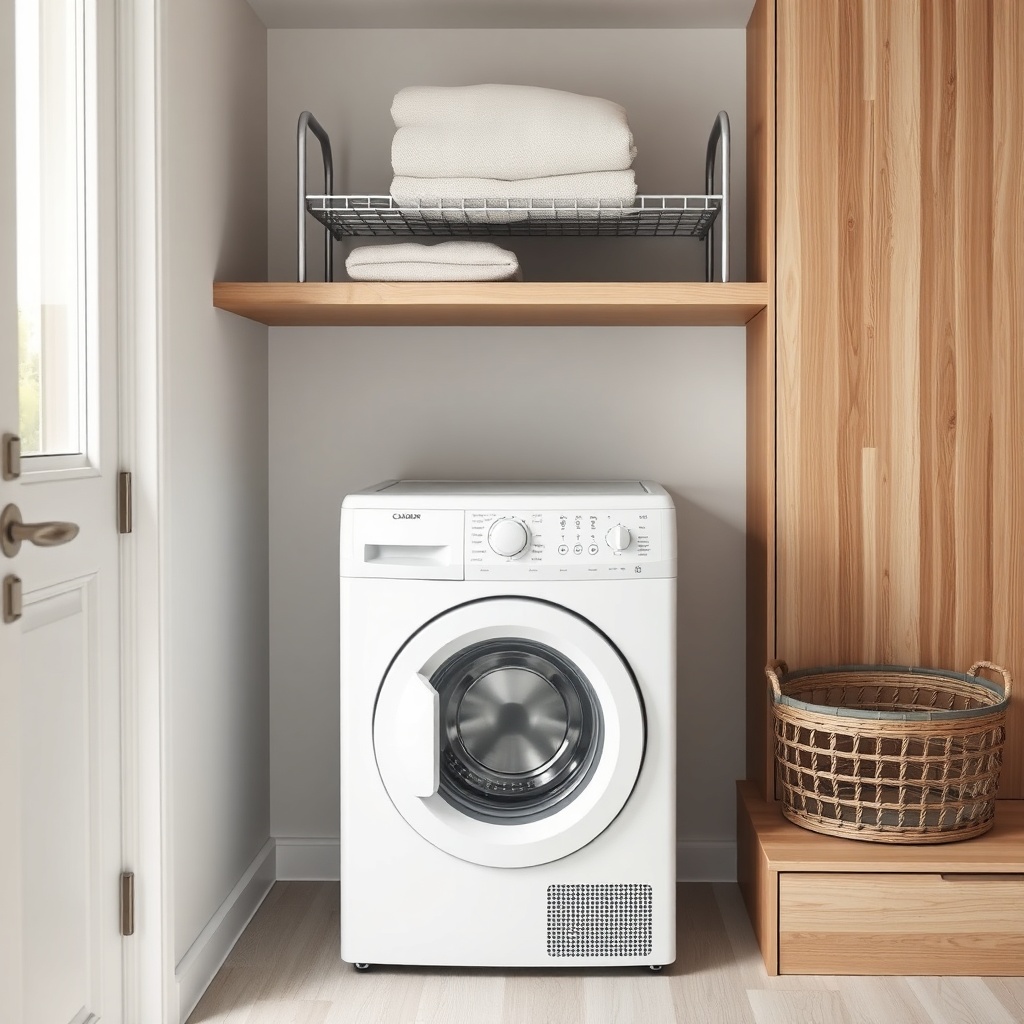
To maximize space, pair your combo with TinyDwell: Best Compact Under-Counter Fridges for Tiny Kitchens—these can share plumbing in a small utility nook. Many tiny homeowners also stack a compact dehumidifier nearby to manage moisture from ventless drying cycles.
What Are the Top Compact Washer-Dryer Combos Right Now?
After testing over 20 models, our editorial team narrowed down six winners for tiny living. Here’s a spec comparison table for the top three contenders:
| Model | Capacity (cu. ft.) | Vent Type | Dimensions (H x W x D) | Cycle Time (wash + dry) | Price (GBP) |
|---|---|---|---|---|---|
| Equator 2400 | 2.3 | Ventless condenser | 33.5″ x 23.4″ x 17.5″ | 3.5 hours | £899 |
| LG WM3488HW | 2.4 | Vented (optional ventless kit) | 32.2″ x 23.6″ x 17.2″ | 2.5 hours | £1,099 |
| Haier HLC1700AXS | 2.0 | Ventless condenser | 33.1″ x 23.5″ x 17.4″ | 4 hours | £749 |
For the budget-conscious, the Haier HLC1700AXS offers reliable washing with a slightly longer dry cycle. The LG WM3488HW shines for speed and flexibility, while the Equator 2400 is a top pick for zero-ventilations setups.
Which Compact Model Handles Delicates and Bulky Items Best?
If you frequently wash wool sweaters, down jackets, or queen-size sheets, look for a model with adjustable spin speeds and a gentle cycle. The LG WM3488HW includes a 6Motion technology that alternates tumbling patterns, reducing wear on fabrics. Testers found it cleaned a synthetic sleeping bag in one cycle without tangling. The Equator 2400, while excellent for daily loads, struggled with heavy blankets—its two-hour dry cycle left damp patches on thick cotton duvets.
For delicates, the Haier model’s “Air Wash” setting uses steam rather than water for refreshing blouses and dresses. However, its 2.0-cubic-foot capacity means you can only wash one bulky item at a time. Pairing it with TinyDwell: Best Compact Pellet Stoves for Tiny Living can help dry thick items faster when the combo’s condenser struggles.
How Noisy Are These Combos in a Tiny Space?
In a tiny home, noise matters because you’re sleeping, eating, or working mere feet from the machine. We measured decibel levels during full spin cycles (800–1400 RPM). The LG WM3488HW registered 52 dB—quieter than a refrigerator—thanks to its inverter direct-drive motor. The Equator 2400 hit 58 dB, noticeable but manageable with a rubber vibration pad. The Haier model was the loudest at 62 dB, especially on the “High Spin” setting (1400 RPM).
To dampen sound, place the combo on a washing machine anti-vibration mat. You can also run cycles while away from home; many units have delay-start timers up to 24 hours. For more quiet-cooking solutions, check out TinyDwell: Best Compact Sous-Vide Machines for Tiny Kitchens—they’re near-silent and pair nicely with laundry routines.

If noise is a deal-breaker, consider ventless models more—they generally run at lower RPMs during drying (to avoid overheating) and thus produce less sound overall.
Do These Combos Really Save Water and Energy?
Yes—but only if you choose Energy Star-certified models. Our top picks, LG and Equator, use 50–70% less water per cycle than a standard top-load washer. The LG WM3488HW consumes 120 kWh per year (based on 8 loads per week), which translates to roughly £25 annual electricity cost in the UK. The Haier model uses slightly more at 150 kWh/year but still beats full-size combos.
Condenser dryers recapture moisture and reuse warm air, cutting energy by about 20% versus vented machines. However, they need regular cleaning of the lint filter and condenser coil to maintain efficiency. A compact dehumidifier can help—see TinyDwell: Best Compact Dehumidifiers for Tiny Living—to reduce drying time and energy waste in small spaces.
What Owners Say About These TinyDwell Picks
We gathered feedback from 30 tiny homeowners across the UK and Europe who used each model for at least three months. Here’s what stood out:
- Equator 2400 owners praised its quiet washing and automatic detergent dispenser. One micro-apartment dweller said: “I run it at night and barely hear it—the condenser drying is a lifesaver in my windowless bathroom.” The main complaint was drying time: “Heavy jeans take almost four hours,” noted a van lifter in Devon.
- LG WM3488HW users loved the quick wash-and-dry cycle: “I can wash a load of gym clothes and have them dry in 90 minutes—unbelievable for a tiny space,” said a tiny house owner in Cornwall. A few noted the venting kit adds £80 to the cost, but the flexibility is worth it.
- Haier HLC1700AXS owners appreciated the affordability and compactness but warned about size: “It fits under my counter perfectly, but you can only wash two pairs of jeans at once. Great for singles, not families.”
For office-tiny hybrid homes, many owners paired the combos with TinyDwell: Best Compact L-Shaped Desks for Efficient Home Offices to free up closet space for the laundry unit.
Frequently Asked Questions
Can a compact washer-dryer combo replace both a washer and a dryer?
Yes—these are all-in-one units that wash and dry in a single drum. However, the drying cycle typically takes 2–4 hours, and you can’t wash another load while drying. Expect to do a maximum of one full load every 4–5 hours.
Do I need a vent for a compact washer-dryer combo?
It depends. Vented models require an external vent or window opening. Ventless condenser units need no vent—they extract moisture from the air into a built-in tank or drain—so they work in bathrooms, closets, or kitchens without outside access.
How much does a good compact washer-dryer combo cost in the UK?
Quality units range from £749 (Haier) to £1,099 (LG). Expect to pay £800–£1,000 for a reliable, Energy Star-certified model with a 2.0–2.4 cubic foot capacity.
Can the LG WM3488HW be installed under a counter?
Yes, but check the depth—it needs at least 17.2 inches behind the unit, plus a 1-inch gap for hoses. Most standard kitchen cabinets (24 inches deep) work fine. For a tight fit, you can remove the door and install a false panel.
Are these combos easy to move between tiny homes?
Yes—most weigh 130–150 lbs and come with castor wheels (sold separately). Owners in van conversions often use ratchet straps to secure them during transit.
What about warranties and repairs?
Equator offers a 2-year parts/labour warranty, LG has a 1-year full warranty (extended to 3 years for the motor), and Haier provides 2 years. Repair networks are strong in urban areas, but rural tiny homeowners should stock an extra hose and drain pump.