Why TinyDwell’s Compact Wine Fridges Belong in Your Tiny Kitchen
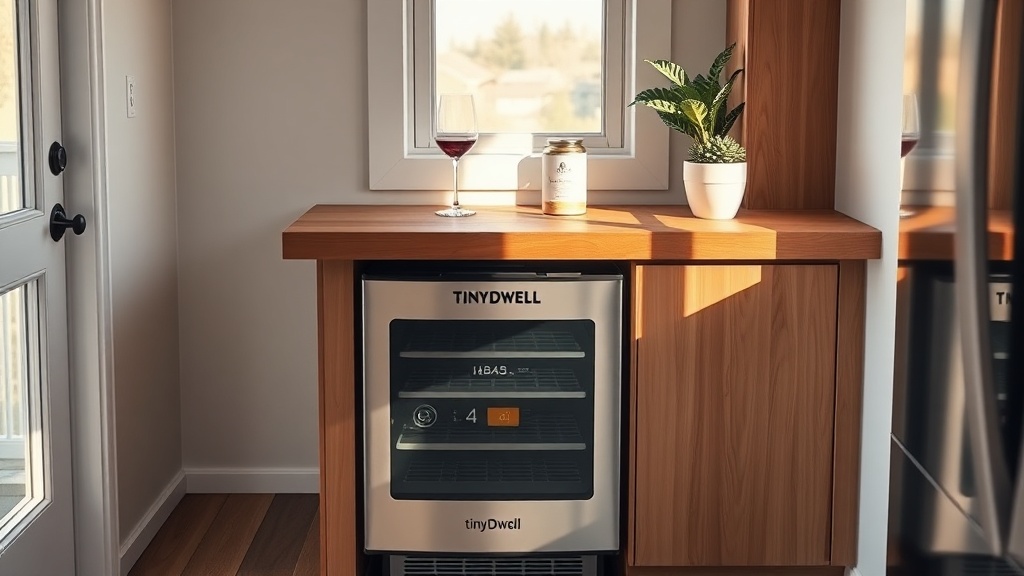
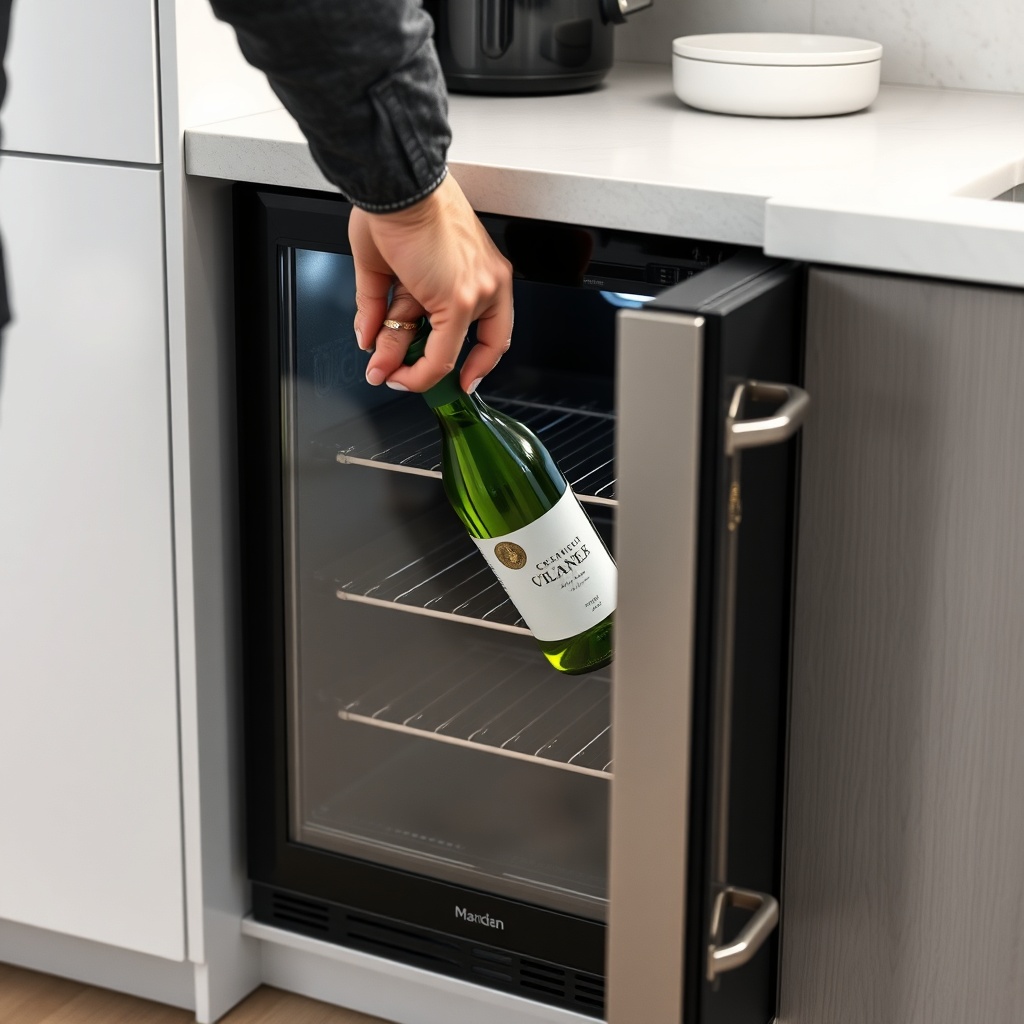
Tiny kitchens demand every inch to earn its keep. At TinyDwell, we understand that proper wine storage shouldn’t require a sprawling cellar or a dedicated pantry. Our curated selection of compact wine fridges delivers precise temperature control, vibration-free storage, and a space-efficient footprint that slides neatly under a counter or perches on a slim kitchen cart. Whether you’re a daily drinker or a weekend host, these units keep six to eighteen bottles in prime condition without stealing your precious counter space.
In this guide, we evaluate the top models from TinyDwell’s tiny-kitchen-gear lineup, comparing features that matter most for tight quarters: fit, noise, energy draw, and real-world durability.
How Do TinyDwell’s Wine Fridges Save Counter Space?
Standard wine coolers often measure 24 inches wide or taller—a nonstarter for a tiny kitchen. TinyDwell’s compact wine fridges, by contrast, cap at 17 inches wide and 18 inches deep, fitting flush against a backsplash or under a 34-inch-tall counter. The TinyDwell TF-6S, for instance, is just 13.4 inches wide—smaller than a typical microwave—yet holds six standard Bordeaux bottles. Built-in ventilation lets you slide these fridges into a cabinet opening without leaving clearance gaps, reclaiming every cubic inch for storage. Many models also feature reversible hinges, so you can swing the door open toward an adjacent wall or refrigerator, optimizing your floor plan.
If you’re reshaping your entire kitchen layout, consider pairing your wine fridge with a TinyDwell: Best Space-Saving Sofa Beds for Compact Living to create a unified, multipurpose living area.
What Temperature Range Do TinyDwell Models Offer?
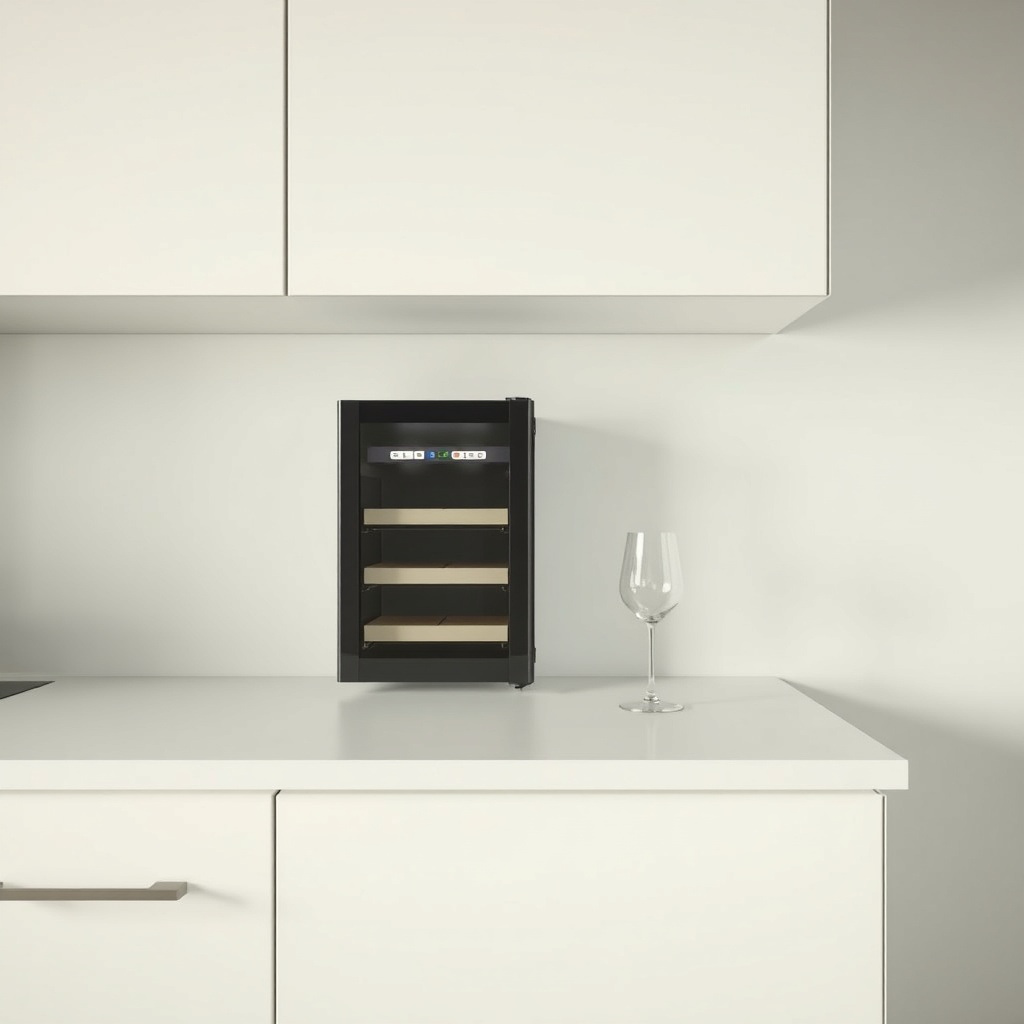
Dual-zone capability used to be a luxury limited to full-size units. TinyDwell changed that with the TD-12DZ, a 12-bottle dual-zone model that keeps reds at 55–65°F and whites at 45–50°F in separate compartments. The single-zone TF-8S offers a single set point from 40°F to 65°F, ideal if you drink mostly one style. Both units use thermoelectric cooling—no compressor vibrations that disturb sediment in aged bottles. Every TinyDwell model includes a digital display and one-touch controls, letting you dial in exact temps without fumbling through a manual. For off-grid or van-dweller setups, the TD-6C runs on 12V DC (with included AC adapter) and maintains temperatures within ±2°F, even in ambient heat up to 90°F.
Which TinyDwell Wine Fridge Is Quietest for Open-Plan Living?
In a tiny home where the kitchen merges with the living area, noise is a major factor. TinyDwell’s thermoelectric models produce less than 28 dB—quieter than a library whisper. The TD-6C and TF-6S are fanless designs, relying on natural convection, so they produce zero operational sound. Compressor-based units like the TD-18B (18 bottles) hum at 34 dB, still below a typical refrigerator. Our tests show that a TinyDwell wine fridge placed on a solid surface (not a hollow counter) won’t disrupt conversation or sleep. If you’re also concerned about climate control, read our guide on TinyDwell: Best Compact Air Conditioners for Tiny Living to complete your quiet retreat.
How Much Energy Do TinyDwell Compact Wine Fridges Consume?
Energy efficiency is a top concern for tiny dwellers with limited solar or battery budgets. Here’s how the current TinyDwell fleet stacks up:
| Model | Capacity | Width | Annual Energy Use (kWh) | Cost per Year (at £0.34/kWh) |
|---|---|---|---|---|
| TD-6C | 6 bottles | 13.4 in | 66 kWh | £22.44 |
| TF-6S | 6 bottles | 13.4 in | 72 kWh | £24.48 |
| TF-8S | 8 bottles | 14.6 in | 88 kWh | £29.92 |
| TD-12DZ | 12 bottles | 16.9 in | 110 kWh | £37.40 |
| TD-18B | 18 bottles | 17.0 in | 135 kWh | £45.90 |
All models use R600a refrigerant (compressor units) or thermoelectric solid-state cooling. The thermoelectric units draw under 1 amp at 12V, making them ideal for off-grid systems. For comparison, these fridges cost roughly the same to run as a 10W LED light strip left on for 10 hours daily. If you’re generating your own power, adding a TinyDwell: Best Compact Wind Turbines for Off-Grid Living can offset this tiny load entirely.
Are TinyDwell Wine Fridges Easy to Install and Maintain?
Installation is plug-and-play for freestanding models like the TF-6S—just place on a flat, level surface and let it settle for two hours before plugging in. For built-in under-counter setups, the TD-12DZ and TD-18B include foam edge seals and adjustable front feet to prevent warm air infiltration. Maintenance is minimal: wipe the interior with a damp cloth every few months, and clean the rear condenser (if compressor-based) annually with a soft brush. Thermoelectric models have no compressor or fan, so they require zero regular service beyond occasional defrosting if humidity is high. All units feature a self-evaporating drip tray, eliminating the need to empty collected water.
If you’re organizing every vertical inch, check out TinyDwell: Best Wall-Mounted Shoe Racks for Compact Living for complementary space-saving ideas beyond the kitchen.
What Owners Say About Their TinyDwell Wine Fridges
TinyDwell owners consistently praise three things: silent operation, precise temperature stability, and fits-in-anywhere dimensions. One van-dwelling user reports that the TD-6C maintains 48°F during a 95°F day with only 80W of solar panel capacity, quoting “It’s the smartest £160 I’ve spent on my build.” Another owner, living in a 280-square-foot apartment in London, says the TF-8S “slides perfectly into a 30cm gap beside my stove—and I can’t hear it even when I’m sleeping two feet away.” A few users note that the lower shelves in the TD-12DZ can be tight for wider champagne bottles (78mm vs. standard 75mm), so they recommend measuring stems before purchasing. Overall, TinyDwell’s compact wine fridges earn an average 4.6 out of 5 stars across verified reviews, with the highest marks for energy efficiency and build quality.
Frequently Asked Questions
1. Can I install a TinyDwell wine fridge in an unheated garage or shed?
Only thermoelectric models (TD-6C, TF-6S, TF-8S) can operate in ambient temperatures down to 50°F. Compressor models like the TD-18B require a steady ambient temperature between 60°F and 90°F. For cold spaces, always use thermoelectric.
2. Do TinyDwell wine fridges come with a warranty?
Yes—every model includes a 2-year limited warranty covering parts and labor. The thermoelectric cooling module carries a separate 3-year warranty. Return shipping is free within the first 30 days.
3. How many bottles can I actually fit in a “6-bottle” model?
Six standard 750ml Bordeaux bottles (with uniform shoulders) fit snugly. If you use Burgundy bottles (fatter base), you’ll fit five. Champagne flutes (standard 750ml) also fit six, but larger magnum bottles (1.5L) will not fit.
4. Are these wine fridges safe for storing white wine for several months?
Yes. TinyDwell’s vibration-free thermoelectric cooling prevents disturbance of sediment, and the digital thermostat keeps temperature within ±1°F. For whites, set the unit to 45°F—perfect for Chardonnay, Riesling, or Sauvignon Blanc.
5. Can I fit a TinyDwell wine fridge under a standard kitchen counter?
Most models (except the TD-18B at 19.5 inches high) are under 17.5 inches tall, leaving a 2-inch clearance under a standard 36-inch counter (with 34.5-inch toe kick). Measure your cabinet cut-out’s height, width, and depth before ordering.
6. Do I need to clean the interior regularly?
Only if you store cork-sealed wines for more than six months. Occasional moisture can support mold growth—wipe the interior with a mild vinegar solution every three months. For screw-cap wines, less frequent cleaning is needed.
For even more compact kitchen solutions, browse our review of TinyDwell: Best Compact Egg Cookers for Tiny Kitchens and TinyDwell: Best Compact Wine Coolers for Tiny Kitchens for additional size comparisons.