Introduction
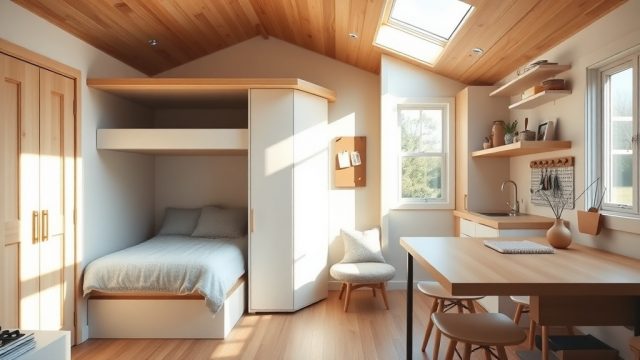
The Tiny Goat House has become a beloved fixture in the compact living community, celebrated for its clever integration of form and function. This structure, often a backyard studio, guest house, or primary residence, prioritizes intelligent space utilization. Among its most demanding challenges is the need for a bed that doesn’t sacrifice floor space during the day. This article focuses exclusively on the best DIY sofa bed plans for the Tiny Goat House, ensuring that every square foot serves dual purposes without compromising comfort.
What Makes a Sofa Bed Ideal for the Tiny Goat House?
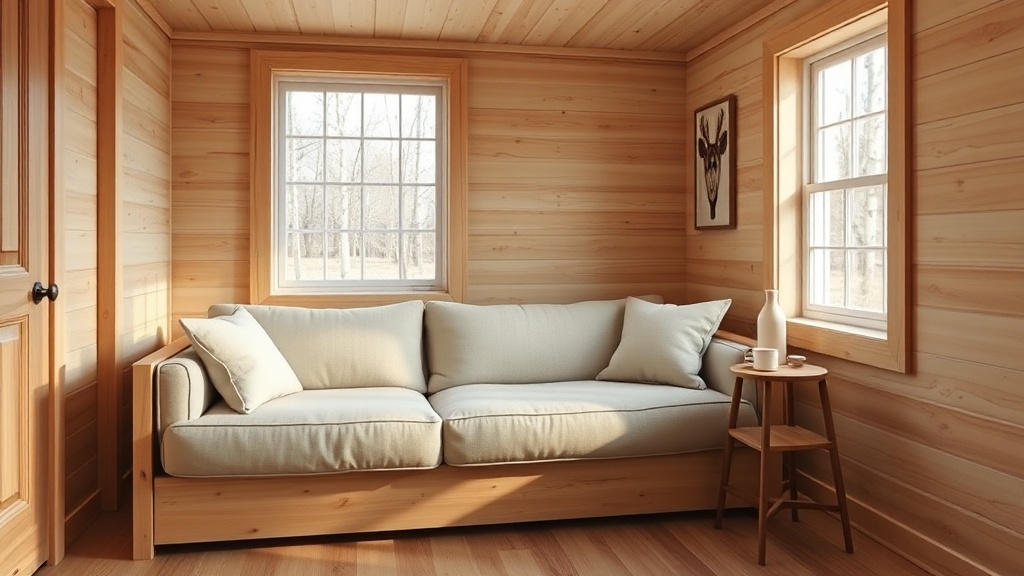
In a space where every inch counts, the sofa bed must transition seamlessly from seating to sleeping without bulky mechanisms or wasted volume. The ideal design for a Tiny Goat House is one that fits within a standard 120cm to 150cm width, using a fold-down or pull-out mechanism that integrates with built-in shelving or a wall. Materials like lightweight plywood and high-density foam are preferred, as they reduce weight and maximize comfort. A key metric is the “day-to-night conversion time”—the best plans achieve this in under 30 seconds.
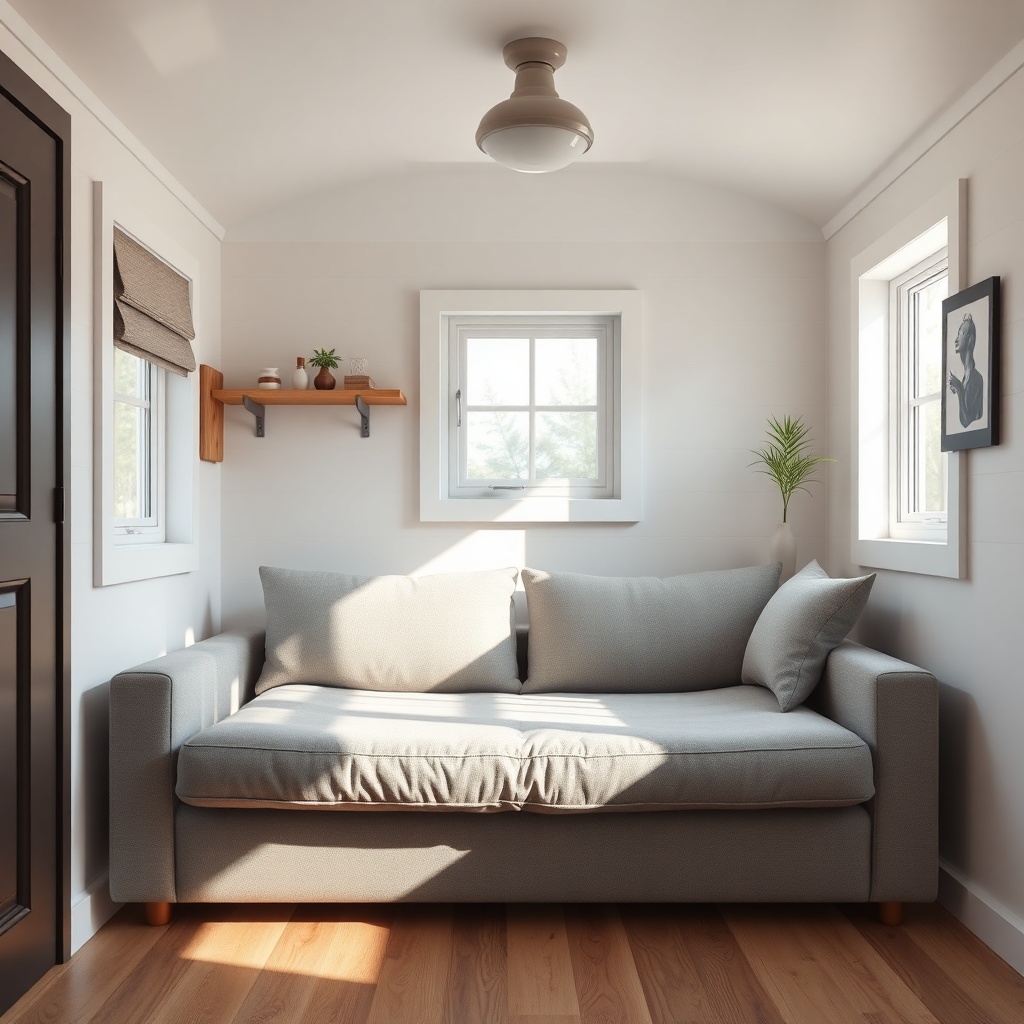
Additionally, the sofa bed should align with the overall aesthetic of the Tiny Goat House—often modern rustic or minimalist. Plans that incorporate storage drawers underneath the seating area are highly valued, as they solve two problems: seating and storage. Look for designs that use 18mm birch plywood for the frame, which is both strong and lightweight, and avoid particleboard, which can sag over time.
How Do You Choose the Right Mechanism for a DIY Sofa Bed?
There are three primary mechanisms suitable for a Tiny Goat House DIY sofa bed: the click-clack system, the fold-down Murphy bed style, and the pull-out trundle. The click-clack system is the simplest, where the backrest folds flat to create a sleeping surface. It is best for spaces where the sofa is against a wall. The fold-down Murphy bed style, which hinges from a vertical position, is ideal for rooms where the sofa must double as a wall unit. The pull-out trundle works well for children’s spaces or guest areas where a lower profile is acceptable.
| Mechanism Type | Daytime Footprint | Sleeping Surface Size | Estimated Material Cost (USD) | DIY Difficulty Level | Best Use Case |
|---|---|---|---|---|---|
| Click-Clack | 90cm depth | 120cm x 190cm | $180 – $250 | Intermediate | Wall-mounted, main living area |
| Fold-Down (Murphy) | 45cm depth (when closed) | 140cm x 200cm | $320 – $450 | Advanced | Multi-purpose room, home office |
| Pull-Out Trundle | 90cm depth | 90cm x 190cm | $150 – $220 | Beginner | Guest room, kids’ loft |
For most Tiny Goat House owners, the click-clack mechanism offers the best balance of cost, simplicity, and daily usability. It requires minimal hardware—just a set of heavy-duty hinges and a locking mechanism. Always choose gas springs or strut supports with a weight rating of at least 100 kg to ensure smooth operation over years of use.
What Are the Best Materials to Use for a Tiny Goat House Sofa Bed?
The longevity of a DIY sofa bed in a Tiny Goat House depends heavily on material selection. For the frame, Baltic birch plywood (18mm) is the gold standard. It resists warping, holds screws well, and can be finished with a clear oil or paint. For the mattress, high-resilience (HR) foam with a density of 30 kg/m³ is recommended, as it provides adequate support for sleeping without being too firm for sitting. Cover the foam with a washable, stain-resistant fabric like Sunbrella or a tight-weave cotton-polyester blend.
You can also incorporate reclaimed wood for a more rustic look matching the Tiny Goat House aesthetic, but ensure it is properly dried and sanded to avoid splinters. Avoid using MDF or particleboard for any structural components, as they cannot support the dynamic load of a converting sofa bed. For the slats supporting the mattress, use 1×3-inch poplar or pine spaced no wider than 5 cm apart. This prevents sagging and extends foam life.
We have also covered complementary space-saving solutions for your Tiny Goat House. If you are integrating a sofa bed into a lofted area, explore our guide on Tiny Goat House: Best Loft Ladders and Space-Saving Stairs for safe access. For cooking countertops nearby, see Tiny Goat House: Top Induction Cooktops for Small Kitchens to maximize efficiency.
How Do You Build a Click-Clack Sofa Bed Step-by-Step?
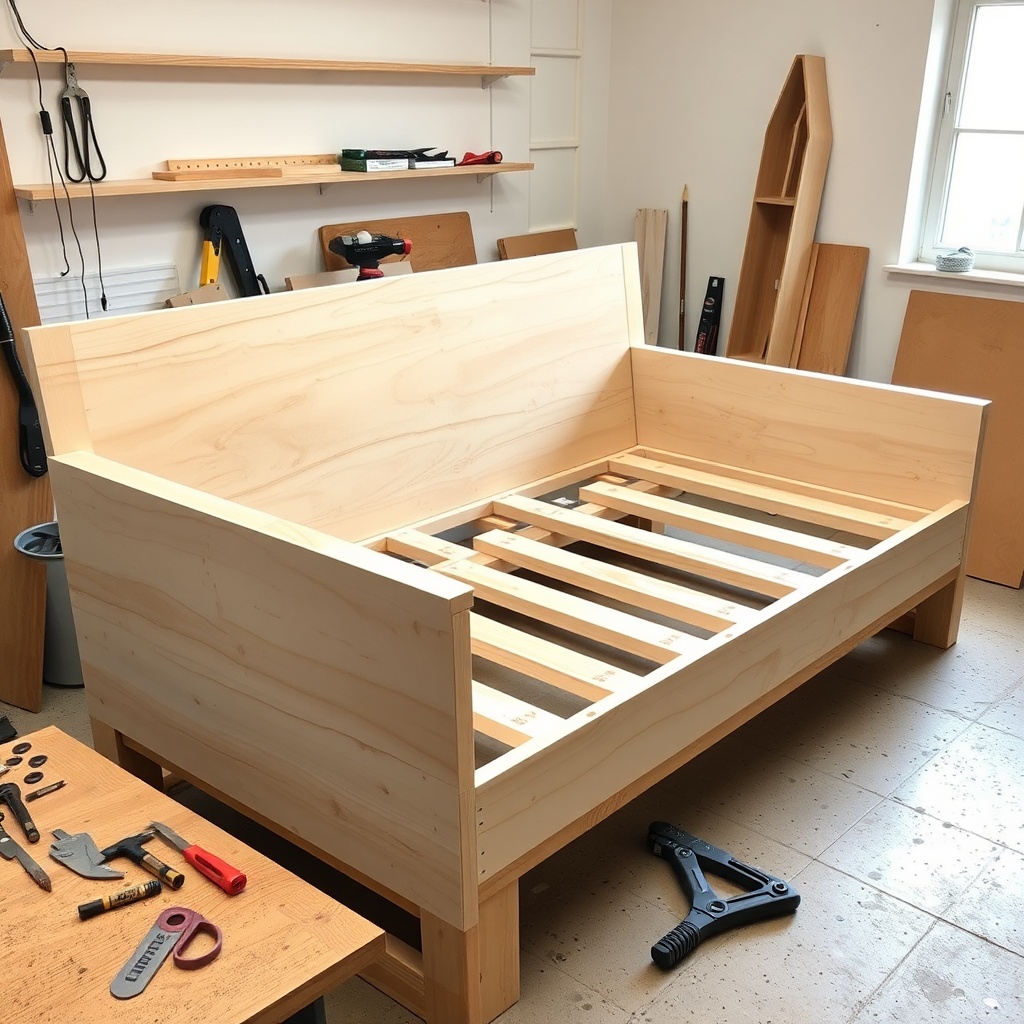
Building a click-clack sofa bed for your Tiny Goat House is a rewarding weekend project. Below is a condensed step-by-step plan that works for a 120cm-wide unit. Adjust dimensions as needed for your space.
Materials and Tools Needed
- 18mm Baltic birch plywood: two sheets (2440mm x 1220mm)
- Heavy-duty fold-down mechanism kit (includes hinges, locking brackets, and gas struts)
- High-resilience foam: two pieces (120cm x 60cm x 10cm each for back and seat)
- Fabric: 3 meters of upholstery-grade material
- Staple gun with 8mm staples
- Wood glue, screws (4mm x 40mm), sandpaper (120, 220 grit)
Cut List (for a 120cm width)
- Seat base: 2 pieces @ 120cm x 60cm
- Backrest: 1 piece @ 120cm x 60cm
- Side panels: 2 pieces @ 60cm x 35cm
- Front rail: 1 piece @ 120cm x 15cm
Assembly Process
- Cut all plywood pieces to size. Sand edges thoroughly.
- Assemble the seat base by attaching side panels to the front and back rails using wood glue and screws. Pre-drill all holes to prevent splitting.
- Attach the backrest to the seat base using the fold-down mechanism kit. Follow the kit’s instructions precisely for hinge placement.
- Mount the gas struts on both sides to control the descent when folding down to bed mode.
- Cut foam to match seat and backrest dimensions. Wrap each foam piece with fabric, pull tight, and staple to the underside of the plywood.
- Test the mechanism multiple times to ensure smooth operation. Adjust strut tension if needed.
This project typically takes 8-10 hours for a skilled DIYer. The total cost, including materials and hardware, ranges from $250 to $400 USD.
What Are the Best Space-Saving Add-Ons for a Tiny Goat House Sofa Bed?
Once your sofa bed is built, you can enhance its functionality with smart add-ons. Integrated side tables that fold down from the wall are a popular choice, providing a surface for a lamp or book without taking up floor space. You can also build a slim pull-out drawer underneath the sofa bed to store bed linens or seasonal clothes. Another option is to install a USB charging port into the side panel for easy device charging.
Wall-mounted shelving units above the sofa bed are essential. They keep books, decor, and everyday items within arm’s reach while maintaining a clean look. For inspiration, see our guide on Tiny Goat House: Best Wall-Mounted Shelving Units for Compact Living. If you work from home, consider arranging your sofa bed to face a fold-down desk, which we cover in Tiny Goat House: Best Space-Saving Office Desks for Remote Work. This creates a seamless dual-purpose zone.
Lighting is another crucial add-on. Install a dimmable sconce above the sofa to adjust ambience from reading to sleeping. For a cohesive look, choose fixtures that match the hardware of your sofa bed mechanism.
What Owners Say
Tiny Goat House owners who have built their own sofa beds consistently praise the click-clack design for its simplicity and reliability. Sarah M., a full-time Tiny Goat House resident, noted, “The sofa bed I built using this plan has completely changed how I use my main room. It goes from couch to bed in 15 seconds, and the storage underneath holds all my extra blankets. Best $300 I ever spent.” Another owner, James L., shared, “I was worried about the mechanism breaking, but after two years of daily use, it works like new. I added a memory foam topper for extra comfort.”
Common feedback emphasizes the importance of accurate cutting and using quality hardware. Owners also recommend testing the gas struts before final assembly to ensure the bed doesn’t slam down. Many have successfully integrated their sofa bed into a multi-functional layout, often pairing it with a compact composting toilet setup for full off-grid living. Learn more in Tiny Goat House Composting Toilet Installation Guide. The consensus is clear: a well-built DIY sofa bed is a cornerstone of comfortable tiny living.
Frequently Asked Questions
1. Can a DIY sofa bed support a full-size mattress?
Yes, but the design must be scaled up. For a full-size mattress (135cm x 190cm), you will need a heavier-duty mechanism and stronger plywood (20mm thickness). Ensure your floor can handle the additional weight, and consider a custom foam mattress cut to size for easier handling.
2. How much weight can a click-clack sofa bed hold?
A properly built click-clack sofa bed using 18mm plywood and a quality mechanism typically supports up to 250 kg (550 lbs) when used for seating, and about 200 kg (440 lbs) for sleeping. Always check the weight rating of your specific mechanism kit.
3. What is the best foam density for a sofa bed mattress?
For dual-use (sitting and sleeping), high-resilience foam with a density of 30-35 kg/m³ is optimal. It provides enough firmness for comfortable seating and adequate support for sleeping. Avoid very soft foams, as they will lose shape quickly with daily use.
4. How do I prevent the sofa bed from sliding on a smooth floor?
Attach non-slip rubber pads or felt furniture glides to the bottom of the legs. For hardwood or tile floors, use rubber grip pads. If the sofa bed is on a rug, ensure the rug has a non-slip backing to prevent movement.
5. Can I build a sofa bed without power tools?
Yes, but it is significantly more difficult and time-consuming. A hand saw, hammer, and screwdriver can work for simple designs, but achieving precise cuts for the mechanism is challenging. Renting a circular saw or jigsaw is highly recommended for any DIY sofa bed project.
6. How often should I replace the foam in my sofa bed?
With daily use, foam should be replaced every 3-5 years. Signs of wear include visible sagging, loss of support, and discomfort while sleeping. Rotating the foam pieces (swap seat and back) every 6 months can extend their life.