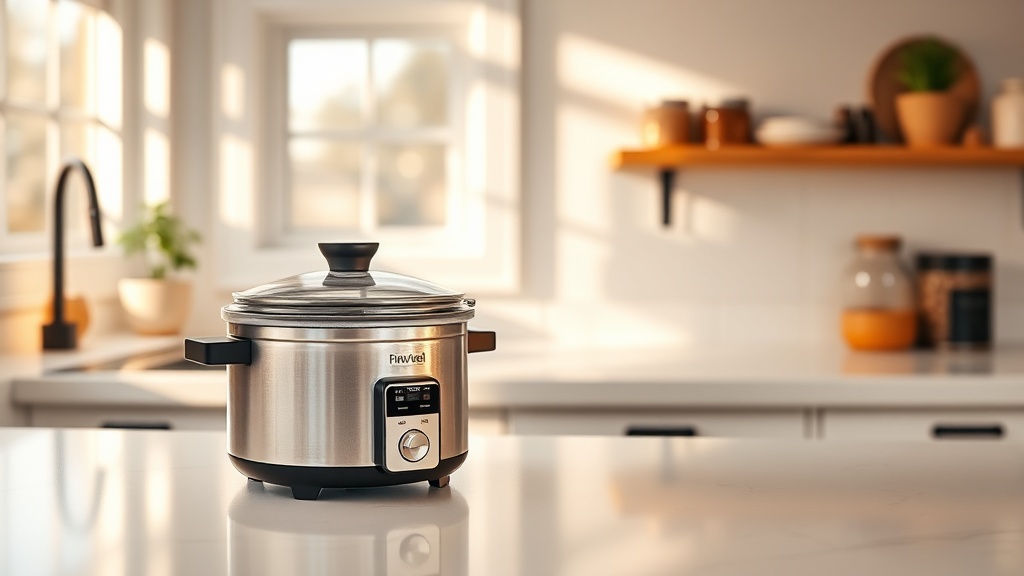
Why Your Tiny Kitchen Needs a Specialized Compact Rice Cooker
In a tiny house, every square inch of counter space matters, and the humble rice cooker is often an afterthought—until you realize bulky models devour valuable real estate. At TinyDwell, we understand that cooking for one or two in a compact kitchen demands gear that pulls double duty without sacrificing performance. We’ve scoured the market to find rice cookers that deliver fluffy grains, steam vegetables, and even slow-cook stews, all while fitting snugly on a 12-inch countertop.
Whether you’re a van-dweller feeding a crew of two or a tiny homeowner seeking energy efficiency, the right rice cooker can transform meal prep. In this guide, we break down the best compact rice cookers that marry small footprints with big features—covering capacity, power consumption, and versatility. Let’s dive into the questions every tiny kitchen chef should ask.
What Capacity Should a Compact Rice Cooker Have for One or Two People?
The sweet spot for tiny households is a 3-cup (uncooked) capacity, which yields about 6 cups of cooked rice—enough for two generous servings or a main dish plus leftovers. For solo dwellers or those with minimal storage, a 2-cup model (4 cups cooked) is perfectly adequate. Oversized 5- or 10-cup cookers not only waste space but also consume more electricity.
Consider your meal patterns: if you batch-cook grains for the week, a 3-cup cooker can handle quinoa, farro, and oatmeal without straining. Many compact models also include steamer baskets, letting you cook vegetables or fish simultaneously—a true space saver in a TinyDwell: Best Compact Egg Cookers for Tiny Kitchens sort of way, where multi-functionality is king.
Smaller capacities also mean faster cooking times—most 3-cup units finish white rice in 20–25 minutes, compared to 40 minutes for a 10-cup behemoth. For a typical tiny house kitchen, a 2–3 cup model is the Goldilocks choice.
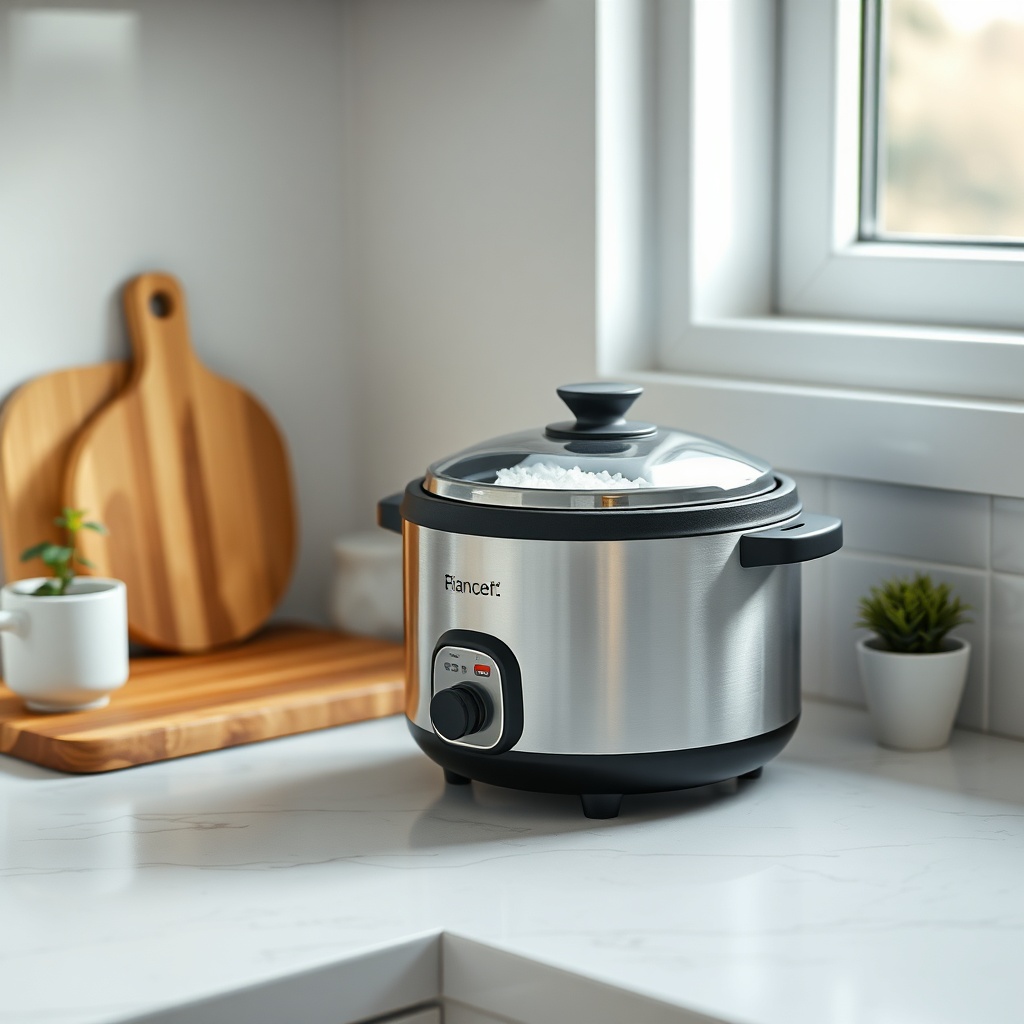
Which Heating Technology Is Best for Tiny Kitchens: Micom or Traditional?
You’ll find two primary heating systems in compact rice cookers: traditional (simple on/off) and microcomputer (Micom). For tiny kitchens, Micom offers distinct advantages—precise temperature control, automatic keep-warm, and often delayed timers. This means you can set your cooker before leaving for work and return to perfectly cooked rice without burning or overcooking.
Traditional models are cheaper (starting around $20–$30) and simpler, but they run hotter and can scorch the bottom layer. Plus, they lack the energy efficiency that matters in off-grid or battery-powered tiny living. Micom units, priced from $50–$80 for compact versions, typically draw only 300–400 watts—easy on a 1000-watt inverter system.
If you pair your rice cooker with other gear, consider that a Micom unit can double as a steamer or slow cooker, reducing the need for separate appliances. For those also exploring TinyDwell: Best Compact Wind Turbines for Off-Grid Living, every watt saved counts.
How Much Counter Space Will a Compact Rice Cooker Actually Save?
A typical full-size rice cooker occupies roughly 12 x 10 inches of counter space, while a compact 3-cup model sits comfortably in an 8 x 7 inch footprint—nearly 40% less. The height is also reduced: compact units stand 7–8 inches tall versus 10–12 inches, easily fitting under upper cabinets or shelves.
To help you visualize, here’s a comparison table of three top-rated compact rice cookers available in the US market:
| Model | Capacity (uncooked) | Dimensions (WxDxH) | Watts | Price (USD) | Key Feature |
|---|---|---|---|---|---|
| Dash Mini Rice Cooker | 2 cups | 7.1 x 7.1 x 7.5 in | 350W | $24.99 | Steamer basket included |
| Zojirushi NS-LLH03 | 3 cups | 8.3 x 7.9 x 7.7 in | 400W | $79.00 | Micom fuzzy logic, timer |
| Aroma Housewares ARC-914SBD | 3 cups | 8.5 x 7.8 x 8.0 in | 350W | $39.99 | Steam and slow cook |
The Dash Mini is ideal for solo cooks who prioritize budget and small footprint, while the Zojirushi offers premium precision for those who value cooking versatility. The Aroma strikes a balance with multi-functionality at a mid-range price. All three are narrow enough to tuck beside a toaster or on a rolling cart—perfect for a tiny kitchen layout.
What Additional Cooking Functions Matter Most in a Compact Model?
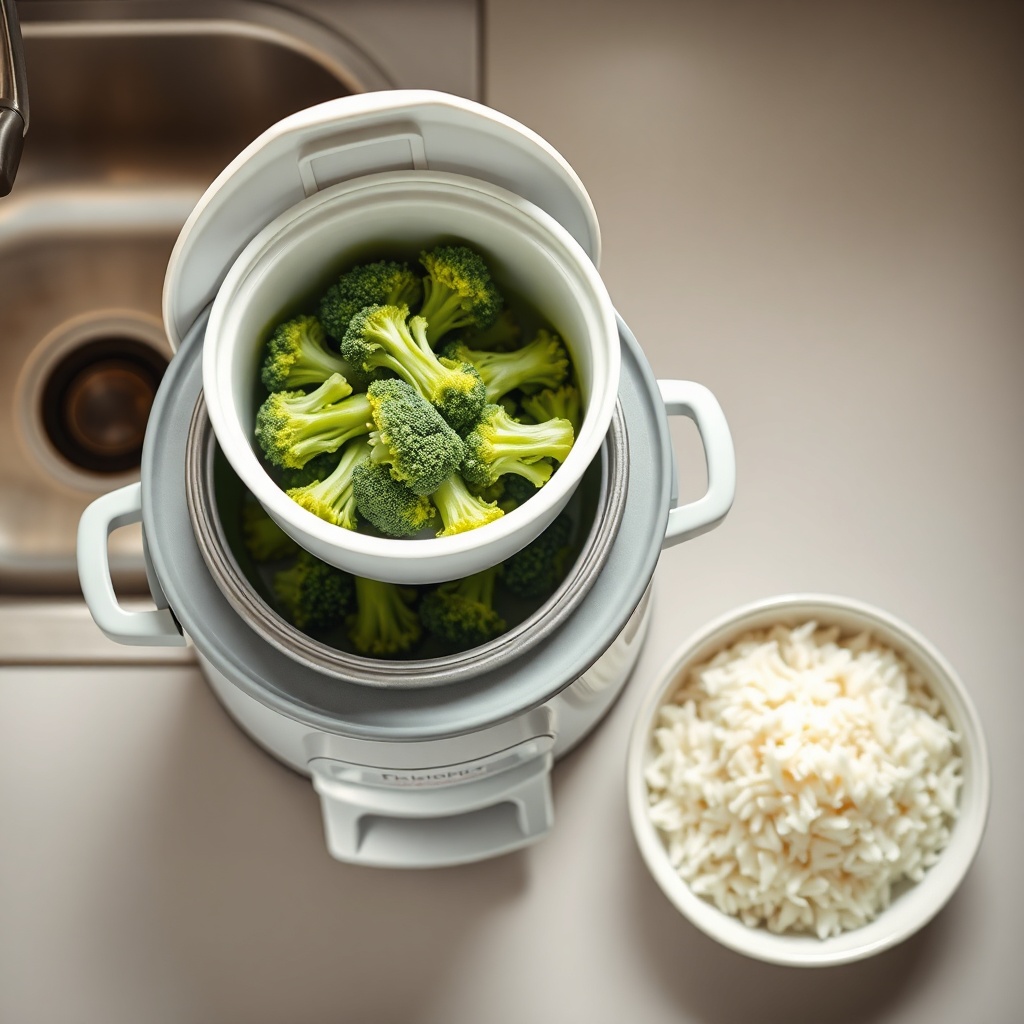
Beyond rice, the best compact cookers can steam vegetables, cook oatmeal, prepare quinoa, and even slow-cook soups. Look for models with a keep-warm cycle that automatically activates after cooking, plus a delay timer that lets you program meals in advance. Some units, like the Aroma ARC-914SBD, include a removable steamer basket that expands your meal options without adding extra appliances.
For tiny kitchen dwellers who also enjoy fresh eggs, the steamer function can poach or hard-boil a batch quickly—similar to the multi-use philosophy behind TinyDwell: Best Compact Egg Cookers for Tiny Kitchens. Avoid models that promise “browning” or “frying,” as these functions rarely work well in small rice cookers and increase wattage demands unnecessarily.
Stick to a cooker that offers at least three core functions: rice cooking, steaming, and reheating. This eliminates the need for a separate steamer and reduces clutter—a key principle in tiny living.
Are Compact Rice Cookers Energy-Efficient Enough for Off-Grid Living?
Yes—most compact units consume between 300 and 400 watts, roughly the same as a small microwave. For off-grid homes running on solar or wind power, this is manageable, especially if the cooker operates for only 20–30 minutes per day. The keep-warm function draws even fewer watts (around 50–80W), allowing you to leave rice ready for hours without draining batteries.
If your tiny house relies on renewable energy, consider pairing the cooker with a smart power strip to avoid phantom loads. For deeper integration, check TinyDwell: Best Compact Wind Turbines for Off-Grid Living to ensure your energy source can handle short bursts of high usage. Many off-grid dwellers find that a 3-cup Micom cooker can run comfortably on a 1000W inverter with a 200Ah battery bank.
Also, look for models with an automatic shut-off after the keep-warm cycle ends—this prevents unnecessary power draw overnight. The Zojirushi NS-LLH03, for example, automatically switches to standby after 12 hours of keep-warm.
What Owners Say
TinyDwell readers and tiny house owners across forums rave about the Dash Mini Rice Cooker for its compact footprint and reliable performance. “I live in a 160-square-foot studio, and this little guy sits next to my induction burner without crowding anything,” says Sarah, a van-dweller from Oregon. “It cooks perfect brown rice every time, and the steamer basket lets me add veggies without dirtying another pot.”
Others praise the Zojirushi NS-LLH03 for its “set and forget” convenience. “I work from my tiny desk, and having the timer feature means my quinoa is ready when I finish my shift,” notes Mark, a tiny homeowner in Colorado. “The keep-warm function holds it for hours without drying out.” The Aroma ARC-914SBD also earns accolades for its slow-cook function, which mimics a 1.5-quart slow cooker—ideal for making chili or stew in a space where a full-size slow cooker won’t fit.
A common tip from owners: always measure water carefully in tiny cookers, as the small volume amplifies errors. Many suggest using the same brand’s measuring cup for best results.
Frequently Asked Questions
Can I use a compact rice cooker for other grains?
Absolutely. Most compact models handle quinoa, farro, barley, and oatmeal. Check the manual for water ratios; generally, a 1:1.5 or 1:2 grain-to-water ratio works well.
How do I clean a tiny rice cooker without damaging it?
Unplug the unit and wipe the inner pot with a soft sponge and mild soap. Avoid abrasive scrubbers on non-stick coatings. The lid and steamer basket are usually dishwasher-safe.
Will a 2-cup rice cooker fit in a RV or van kitchen?
Yes, the Dash Mini measures just over 7 inches square, easily fitting in most RV counters. Many van-dwellers store it in a cabinet or drawer when not in use.
What is the best compact rice cooker for under $30?
The Dash Mini Rice Cooker is widely considered the best budget option, offering reliable performance and a steamer basket for under $25.
Can I slow-cook in a compact rice cooker?
Some models, like the Aroma ARC-914SBD, have a dedicated slow-cook setting. Others require manual switching—but always monitor liquid levels to prevent boil-over.
How does a compact rice cooker compare to a stovetop pot?
Stovetop cooking uses a burner that wastes heat, while a rice cooker contains heat efficiently—saving energy and freeing up the stove. In a tiny kitchen, this is a major space win.