Why the Escape Traveler XL Stands Out in Compact Rooftop Tents
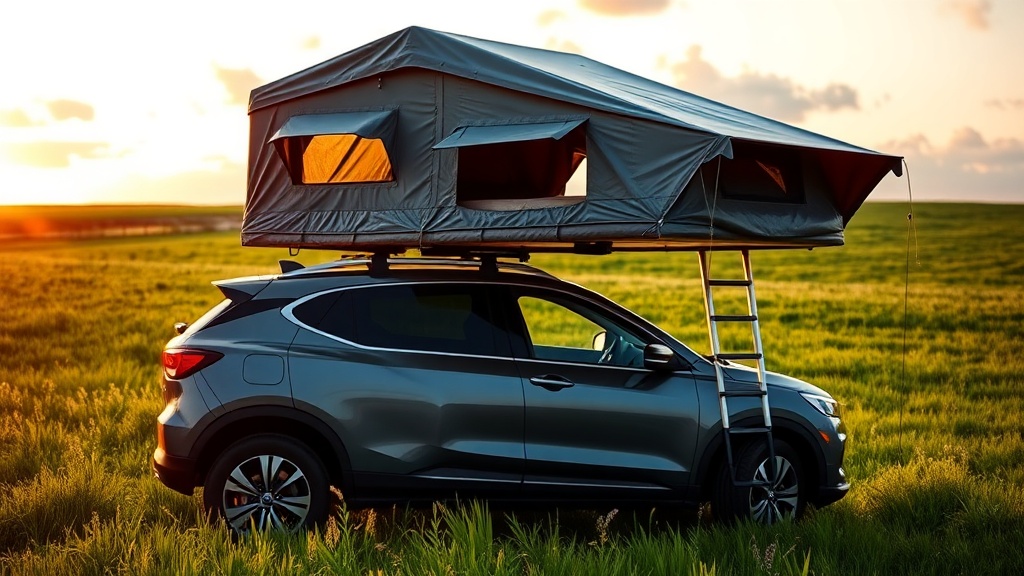
Tiny living demands smart, space-saving solutions that don’t compromise comfort. The Escape Traveler XL, a premium rooftop tent designed for small-space dwellers and overlanders, offers a compact footprint with full-size amenities. Weighing just 68 kg and folding to under 1.5 m in length, this hardshell tent fits most subcompact and mid-size vehicles while providing a queen-sized sleeping area. Whether you’re downsizing into a van or converting a hatchback into a mobile tiny home, the Escape Traveler XL bridges the gap between portability and livability.
In this buying guide, we’ll compare the Traveler XL against other popular models, analyze its winter performance, and help you decide if it’s the right investment for your tiny lifestyle. Prices range from £2,450 to £3,100 depending on the bundle.
How Does the Escape Traveler XL Compare to Other Rooftop Tents?
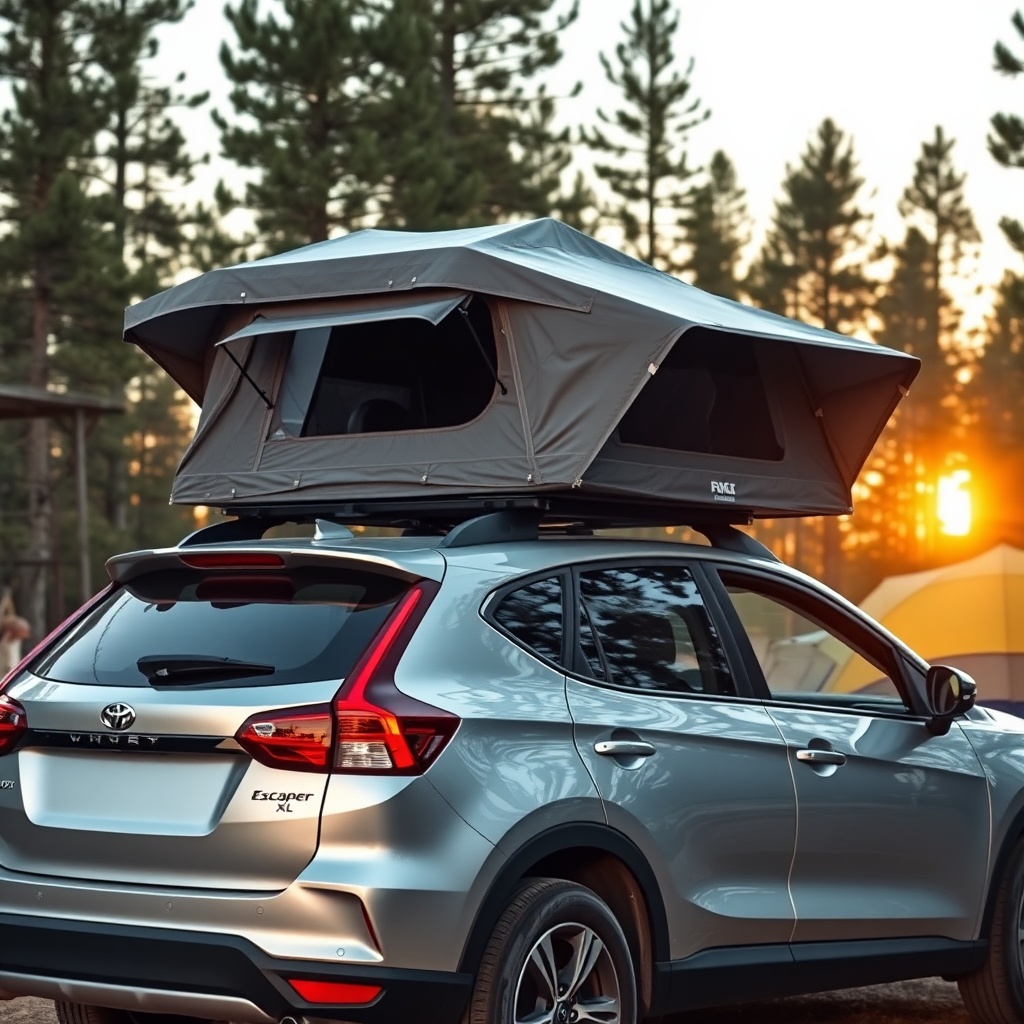
The market offers several compact rooftop tents, but few pack the combination of low-profile design and interior headroom. Below is a side-by-side specification comparison with three key competitors: the Thule Tepui Foothill (softshell), the iKamper Skycamp 2.0, and the Yakima SlimShady.
| Specification | Escape Traveler XL | Thule Tepui Foothill | iKamper Skycamp 2.0 | Yakima SlimShady |
|---|---|---|---|---|
| Type | Hardshell, fiberglass | Softshell, fold-out | Hardshell, aluminum | Softshell, fold-over |
| Sleeping Capacity | 2 adults (optional 1 child) | 2 adults | 2 adults | 2 adults |
| Interior Length | 216 cm | 203 cm | 213 cm | 198 cm |
| Interior Width | 152 cm | 127 cm | 152 cm | 122 cm |
| Closed Height | 30 cm | 33 cm | 28 cm | 35 cm |
| Weight | 68 kg | 56 kg | 74 kg | 48 kg |
| Weather Rating | All-season, 4-season | 3-season | All-season | 3-season |
| Base Price (GBP) | £2,850 | £1,450 | £3,450 | £1,680 |
| Warranty | 5 years | 2 years | 3 years | 1 year |
As the table shows, the Traveler XL sits at a mid-high price point but offers the best interior volume-to-weight ratio among hardshells. The iKamper is lighter but costs £600 more, while the softshell options are cheaper but far less wind-resistant and slower to set up.
What Makes the Escape Traveler XL Ideal for Tiny Living?
The Traveler XL’s design philosophy revolves around maximising usable space while minimising stowed volume. Its butterfly-opening hardshell system creates a full standing area when deployed—something rare in sub-£3,000 tents. The interior features a built-in mattress with 10 cm high-density foam, two large skylight windows, and integrated storage pockets along the walls. For those living Escape Traveler XL: Vertical Storage Ideas for Tight Spaces, these pockets can hold clothes, charging cables, and a tablet.
Additionally, the tent’s aerodynamic shape reduces wind noise and fuel consumption on the road. Owners report a 3–5% increase in fuel economy compared to bulky box-style tents. The reinforced aluminium ladder folds into the body, saving boot space. When closed, the entire unit fits flush against roof bars, leaving room for a cargo box or solar panel.
How Does the Escape Traveler XL Perform in Winter and Rain?
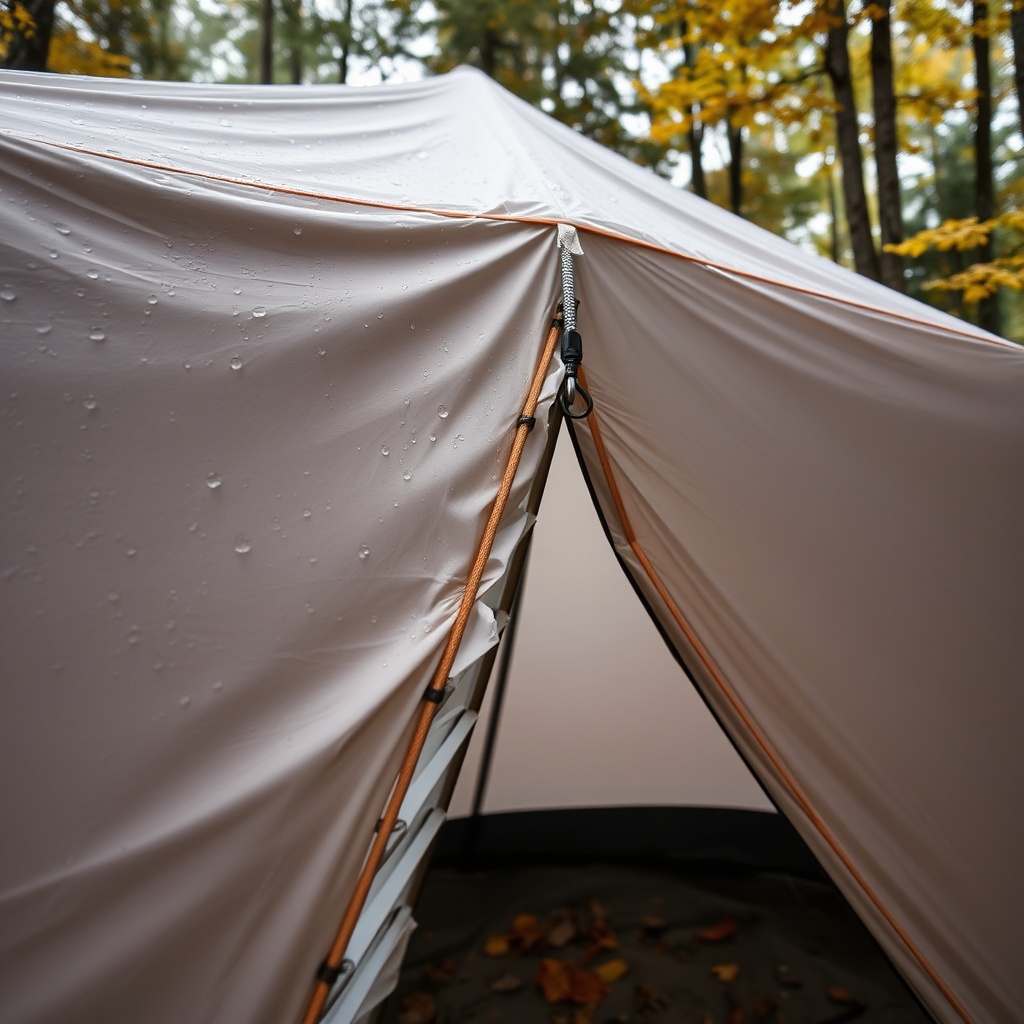
Winter camping in a tiny home on wheels requires reliable insulation and moisture management. The Traveler XL uses a double-layer polyester ripstop fabric with a 2,500 mm hydrostatic head. Its telescoping poles create a 25 cm air gap between the fly and inner tent, preventing condensation buildup—a common issue in smaller tents. The floor is made of multi-layer PVC with welded seams, ensuring no water ingress from below.
For cold-weather use, the tent includes a cold-weather skirt that wraps around the bottom edge and seals against the roof bars. Owners report interior temperatures staying 5–8°C warmer than outside during autumn nights. A small, dog-safe propane heater can be placed in the annex area (sold separately). We recommend pairing this tent with Escape Traveler XL: Best Compact Dehumidifiers for Tiny Living to manage humidity during prolonged rain.
What Are the Top Features for Mobile Storage and Organization?
Living in a compact space demands creative storage. The Traveler XL excels with modular design: the interior side panels have MOLLE-style webbing for hanging pouches, and the optional annex expands floor area by 40%. Inside the main tent, the two overhead skylight pockets can hold a phone, glasses, and a small book. A central ceiling hook supports a lantern or a clothes hanger.
For everyday gear, the tent’s padded floor accepts lightweight storage bins. Owners often use Escape Traveler XL: Best Compact Closet Organizers for Tiny Living to keep folded clothes tidy inside the tent. The built-in ladder doubles as a towel rack when disassembled. Outside, the telescoping support arms can hold a drying line or a small tarp. The Traveler XL’s footprint also allows you to install a roof rack bike mount alongside it, turning your vehicle into a mobile tiny house complete with adventure gear.
What Owners Say About Living with the Escape Traveler XL
Feedback from tiny house vanlifers and weekend explorers is largely positive. Owners praise the tent’s quick setup—under 3 minutes—and its stability in winds up to 50 km/h. Many note that the interior height (95 cm at peak) allows sitting upright for reading or changing clothes, a luxury not found in budget softshell tents.
One UK-based vanlifer shared: “We’ve used our Traveler XL for 18 months straight. The double-wall construction kept us dry through three weeks of Scottish rain. The only drawback is the mattress firmness—some prefer a softer feel, but that’s easily fixed with a topper.” Another owner highlighted the importance of pairing it with portable appliances: “We use a Escape Traveler XL: Best Portable Washer-Dryer Combos for Tiny Living inside the annex, and it fits perfectly. The tent has become our full-time bedroom and storage hub.”
Common praises include the transparent skylight for stargazing and the ability to park in standard parking spots without removing the tent. Minor criticisms mention the need for two people to lift the folded tent onto taller vehicles, and the foam seal around the shell requiring annual replacement (£45 aftermarket).
Frequently Asked Questions
1. Can the Escape Traveler XL be mounted on a small car like a Toyota Yaris or Ford Fiesta?
Yes, provided the vehicle’s roof rails are rated for at least 75 kg dynamic load. Most modern subcompact cars with factory roof bars can support the Traveler XL (68 kg). Always check your vehicle’s owner manual for maximum roof load capacity.
2. How long does it take to set up the tent?
Setup takes under 3 minutes. Release two compression buckles, push open the butterfly shell, extend the telescoping ladder, and clip the internal frame poles. No tools are required. Packing down takes about 4 minutes.
3. Is the Escape Traveler XL suitable for use year-round in the UK?
Yes, the 4-season design handles temperatures down to -5°C comfortably. The cold-weather skirt and insulated walls make it suitable for winter camping. For extreme cold, pair with a low-wattage heater and a Escape Traveler XL: Best Space-Saving Desks for Compact Living (used as a cooking table inside the annex).
4. What’s the warranty coverage?
The Escape Traveler XL comes with a 5-year manufacturer’s warranty covering the shell, zippers, and frame. The fabric is covered for 3 years against UV degradation. The mattress carries a 1-year warranty. Contact the retailer for claim procedures.
5. Can I install a solar panel on top of the closed tent?
Yes. The flat upper surface of the closed shell accepts a flexible solar panel up to 100W. Use VHB tape or a custom rack mount to attach it. Ensure the panel doesn’t exceed the tent’s 150 mm height limit when driving through low-clearance areas.
6. How does the tent handle high winds?
The low-profile hardshell design and multiple anchor points keep the tent stable in winds up to 55 km/h. For extra security, use included guy lines and stakes. Avoid using the tent in sustained winds over 65 km/h, as the ladder may sway.